

Canadian investors are missing out on profits from Vancouver’s VR and AR industry
Article Written by Kate Wilson and Vancouver Chapter President Dan Burgar and posted by BCBusiness here

Few industries will remain untouched by virtual and augmented reality, experts predict
In the past year alone, surgeons have begun practising their work on digital bodies, mines have been planned in immersive 3D, and Walmart Inc. has chosen to train its employees in constructed realities. Touted in the same breath as blockchain, AI and machine learning, virtual reality (VR) and augmented reality (AR) are now transforming how businesses are structured.
Metro Vancouver has emerged as an epicentre of the industry. For more than 40 years, the region has nurtured talent in the animation and 3D spaces—and, in its capacity as Hollywood North, has become home to some of the largest special-effects stages in North America. Upward of 180 VR and AR companies are taking advantage of that local expertise, creating enterprise solutions for sectors from retail to real estate.
It’s a boon for investors. But according to local entrepreneurs, British Columbia’s venture capitalists are missing out.
“Metro Vancouver is one of the top markets worldwide for creating VR and AR content,” says Tony Bevilacqua, founder and CEO of Cognitive 3D, a company that provides analytics on how individuals in virtual and augmented reality interact with their surroundings. “But we’re being challenged by the lack of local investment in what we would call at-risk technologies—businesses that are very research- and development-oriented, and don’t necessarily have a healthy financial outlook in the short term. If you have the metrics for a Series A round, you can raise money here. It’s in that seed stage, where a company doesn’t necessarily have the traction or numbers to show investors, that we see the biggest gaps in local funding.”
That reticence has allowed U.S. investors to plug the breach. Many Silicon Valley–based venture capitalists have funded between 10 and 30 early-stage VR and AR companies. In Canada, there are far fewer investors, and most are only supporting one startup. As a result, profits from an industry predicted to be worth up to US$215 billion by 2021, according to market intelligence provider International Data Corp., are passing local venture capitalists by.
In the view of Tom Emrich—a partner at Super Ventures, one of the few Silicon Valley AR funds that has invested in Metro Vancouver—that shouldn’t be the case.
“It’s cheaper to run a business in Canada than in the Valley, where most of the VR and AR startups are concentrated,” Emrich says. “If you’re in America, and you’re giving an American cheque to a B.C. company, that cheque is worth more in Canadian dollars. On top of that, the burn of a business—how much it’s spending on rent, electricity, and potential talent—is definitely much less than in the Bay Area.
“Canada also has a lot of grants and government programs, like SR&ED and IRAP, that help support the growth of startups,” Emrich continues. “It can extend their runway. Funds want a company to provide them with a return, and they need to survive to do that. As an investor, hearing that a government is willing to put their arms around VR and AR businesses is another benefit.”
Commentators have proposed multiple theories to explain Canada’s reservations about investing in early-stage companies. Consumer adoption of the technology has been slower than anticipated, and it’s unclear how long it might take for funds to see returns. The country’s reputation for politeness, too, means local startups are often less bold in forecasting their success and sell themselves short compared to U.S. businesses—a factor that makes them less attractive to investors.
If B.C. venture capitalists don’t choose to put their money into seed stage funding soon, though, Emrich believes the opportunity might be gone.
“The investment possibilities for this technology come early on,” he says. “As the space matures, the larger players start to hire and acquire their own solutions. When Google, Apple, Facebook and Amazon begin to put more of a focus on developing their own solutions, the startup opportunity changes, and the venture capital opportunity changes.
“I think it’s the lowest-hanging fruit if you’re in B.C. to look in your own backyard at what’s happening,” Emrich adds. “It can be part of your competitive angle as a fund to be able to identify some stellar Hootsuites, Wattpads, or Nortels early on. The Silicon Valley folks are being inundated by Silicon Valley pitches, and they might not have the luxury or time to scope out Canadian companies. If it fits your investment thesis, can you find the hidden gems that no one knows about in the area, and help support and create the tech giants of tomorrow? If so, you can reap the returns because you got in so early.”
That sentiment is echoed by Marco DeMiroz, co-founder and general partner of the Venture Reality Fund. Also based in Silicon Valley, DeMiroz has spent the past month visiting Metro Vancouver and talking with provincial government officials about the potential for investment partnerships. Currently exploring the possibility of collaborating with local venture funds or government-sponsored entities, he deems the region to be one of the world’s top VR and AR hubs.
“Collectively, VR and AR is a tremendous market opportunity, both from a hardware and software perspective,” he says. “I think the local entrepreneurs in Metro Vancouver and I would like to see more engagement from the Canadian venture capital community, just because economically and commercially, the technology has such huge potential. It’s happening, and it’s going to evolve, and investors can’t really stay out of it.”
Invitation to our DC Chapter Launch Event. Watch Video.
The DC Chapter invites you to our April 30th event!
Using VR to Attract Tenants and Investors for Real Estate Projects
By Kelly Burke, VIATechnik and Participant in VRARA AEC Committee

The VR/AR Association AEC Committee is dedicated to crafting a set of guidelines, best practices, and calls to action for the use of VR, AR, and MR tools in the architecture, engineering, and construction industry. This is the first installment in what we hope will become an ongoing discussion on the wide-ranging benefits of these emerging technologies in the broader AEC space. Join our Committee here.
While the first head-mounted display (HMD) debuted back in 1968, virtual reality (VR) has only started to come into its own in the last several years. In fact, IDC estimates that global revenues for the augmented and virtual reality (AR/VR) market grew by a remarkable 130.5% over the last two years, leaping from $6.1 billion in 2016 to $13.9 billion in 2017. What’s more, the AR/VR market is expected to achieve a compound annual growth rate of nearly 200% between now and 2020.
As the technology continues to mature — and as HMDs become increasingly affordable — VR will revolutionize the way in which AEC stakeholders approach their work. Indeed, from improving the safety of worksite operations for contractors to facilitating cooperation between architects and structural engineers during the design process, immersive — and even interactive — virtual environments have already begun to change our industry for the better.
But if there’s one group of AEC stakeholders that’s particularly well-positioned to take advantage of everything VR has to offer, it’s real estate owners/investors and the tenants to whom they market.
With VR, There Are Many Places Like Home
Selling possible tenants on a property’s potential has always been one of the most frustrating parts of real estate. People looking to rent or buy an asset spend hours driving — or even flying, if they’re from out of town — to different buildings to get a feel not only for the unit in which they’re interested, but for the building and neighborhood in which it’s located.
Sellers’ agents have become adept at crafting flashy slideshows and even video walkthroughs to give potential tenants an idea of what a property has to offer, but these kinds of collateral will never replicate the experience of wandering through a physical space in person. VR not only offers a way to bridge this divide, but provides an incredible boost to efficiency, as well — for real estate professionals and potential tenants.
“Previously, potential buyers had to travel to visit a property. Now, this step can be skipped thanks to VR,” explains Rentberry’s Oksana Tunikova. “There’s no limit on the number of people who can view the same property at one time, and potential buyers can see dozens of properties in a fraction of the time.”
VR doesn’t merely improve the efficiency of the property touring endeavor, however. It also improves the depth and, ultimately, the effectiveness of a tour. According to the National Association of Realtors, “77% of buyers’ agents say staging a home makes it easier for a buyer to visualize the property as [their] future home.” Further, 50% of sellers’ agents report that staging a home increases the dollar value of buyers’ offers by as much as 6% to 10% — and 62% of sellers’ agents agree that staging a home decreases the time a property sits on the market.
In short, convincing a potential tenant to make an offer on a property begins with helping them picture themselves living (or working) there, and there’s no better way to do so than by letting them “experience” the property virtually. As VR expert Boaz Ashkenazy puts it, “Virtual reality’s photorealism can zoom in on selling-point details of surfaces and lighting, as well as immerse you in views from a veranda that feel utterly real. Potential buyers or renters now have an emotional connection to what they’re experiencing.”
Companies like roOomy already enable sellers’ agents to virtually stage a property with “digital decorations” that align with each potential buyer’s tastes, and it’s only a matter of time before this kind of digital staging makes its way into the VR space. Once this occurs, potential tenants will be able to insert fixtures and furniture closely resembling their own into any property, completely redefining the meaning of a “personalized tour.”
Exploring a Building Before It’s Built
From an investor’s perspective, VR has the power to dramatically improve project pitching. Simply put, the human mind struggles to visualize size and scale in the abstract, making it all but impossible for us to accurately transpose two-dimensional design drawings — or even to-scale 3D renderings — into a mental image of a lived space. This innate shortcoming is a real obstacle for anyone attempting to evaluate a building that exists only on a page or a screen.
With VR, these issues are no longer a problem. “This [technology] will allow architects and clients alike to truly understand the spatial qualities of a project,” says The Future Group’s Kim Baumann Larsen. “This spatial understanding should make clients more confident in the design and reduce time spent in meetings and the use of lateral design revisions.”
Of course, all of these benefits — for real estate agents, tenants, architects, and investors — are only realized when everyone has access to well-designed, truly immersive VR simulations. Different VR environments are rendered at different levels of detail — from rough, non-photorealistic polygons to hyperrealistic responsive objects — and at this still early stage of technological development, it takes a true VR design expert to tailor each environment to its situational demands.
From physically-based rendering tools used to mimic the way light reflects off different shapes and textures to sculpting tools like ZBrush used to craft intricate objects like sculptures or ornate lamp posts, VR designers must be familiar with a wide range to tools in order to produce top-notch AEC virtual experiences. When they get it right, however, the results speak for themselves:
Is Voice the Future of Local AR?
By Mike Boland
Mike is Street Fight’s lead analyst. He is also chief analyst of ARtillry Intelligence and SF Chapter President of the VR/AR Association.

I often joke that the original form of AR was radio. It “augments” your perception of the world while jogging, driving, or at other times you tune in. Joking aside, a new area of innovation I’m calling AR audio could beat its buzzier graphical counterpart to market. And it has lots of use cases within local AR.
The idea is that instead of—or along with—graphics, audio could be a valuable AR modality. Delivered through an ambient whisper that’s a sort of informational “overlay,” its benefits include style and discreetness. It also aligns with advancements in voice processing and digital assistants (Alexa, et al.).
The next step for these digital assistants could be an ambient audio channel that stays with you all day. Google, Amazon, and Apple have a vested interest in forming that persistent consumer touch point. But the first step is developing hardware and getting people to actually wear it all day.
Enter AirPods, which could be a market-seeding play from the famously AR-bullish Apple. They’re just sleek enough to engender that all-day use. Google’s Pixel Buds could do the same, but they’re a bit clunkier in current form. Either way, Google has similar AR audio ambitions.
For example, using Google Assistant, Pixel Buds can perform real-time language translation. Think of it like the in-ear translation system used by UN delegates, but for the rest of us. In fact, live audible language translation is a good example of the directions “AR audio” will go.
Other possible applications include audible details about the street you’re walking down, an upcoming business meeting, or someone you’re shaking hands with at a conference. LinkedIn could develop an app that delivers these audible stats subtly and on the fly—all without being a “glasshole.”
The way it could play out: Sleekness and portability will condition people to leave AirPods or competing hardware in their ears all day (which is already happening). That engenders a new channel for ambient audio. From there, it’s up to app developers to build content and use cases, like the LinkedIn example.
AR Audio also brings to mind Google’s early smartphone-era construct of “micro moments.” These are the content snacking moments in the grocery line or subway—pulling out your phone for a quick fix of email, Facebook, or Snapchat. It created lots of opportunity for media delivery and of course search.
But audio’s advantage again is its discreetness. It’s less cumbersome than pulling out your phone. Because AR glasses are held back by cultural and stylistic factors, the subtlety of ambient audio could fill an important gap. Plus, the all-day use case creates openings for all kinds of monetization.
Of course, visual AR won’t go away and is aligned with several use cases like gaming. But audio could get here sooner and take over a certain share of micro moments like getting informed about people or surroundings. We’re talking local discovery, shopping, and proximity-based social media.
As for who’s better positioned, AirPods have greater near-term reach than Pixel Buds. The former operate with about 600 million iPhones, while the latter work only with Google Pixel and Pixel 2. They can connect with other phones—even iPhones—but just as standard headphones.
But Pixel Buds have a longer-run advantage when they—and Google Assistant—are phased in to the larger Android Universe. Moreover, Google Assistant (the brain behind Pixel Buds) blows Siri (the brain behind Airpods) out of the water in terms of digital-assistant chops. It’s not even close.
Apple’s Achilles’ heel for AR audio is in fact Siri. Google Assistant will win the voice search and general-knowledge AI game, based on the extensiveness of Google’s knowledge graph. It will also outperform Amazon Alexa, because it’s a better overall AI engine with more data, though that race could be closer.
Meanwhile, Pixel Buds adds another weapon to Google’s AR arsenal. Alongside ARCore, AR audio could be carried through Google and developer-created apps.
Still, Apple is also planting its seeds, meaning we could have another platform war on our hands, tied to the others that Apple and Google continue to wage.
VIP Reception at IoT TechConnect courtesy of VRARA Detroit Chapter
RSVP here

VRARA in partnership with Terry Bean who created Motor City Connect, is hosting a three-hour workshop that will not only tell you all about the latest trends, but let you sample VR and AR.
The VIP Reception at IoT TechConnect from 6 to 8:30 pm will offer attendees the chance to play with both technologies courtesy the Virtual Reality Augment Reality Association and Great Lakes Drone Company. These are the latest and some of the coolest IoT (Internet of Things) technologies going. Less than 200 tickets remain. To buy tickets or a booth click on https://iottechconnect.com/vip-networking-reception/
The VIP Reception also will feature cocktails, hors d’oeuvres, desserts and the chance to meet many of the panelists who participated in the day-long event that features Michigan IoT Technology, experts, and much more.
Realidade Virtual para Visualização de Dados

O investimento em realidade virtual está a crescer a um ritmo tão promissor como a tecnologia. Pedro Rodrigues, co-fundador da Dali VR, aborda neste artigo o potencial para o mundo empresarial.
Por Pedro Rodrigues of Dali-VR
A Realidade Virtual (RV) é uma tecnologia promissora que está a revolucionar o modo como visualizamos, comunicamos, analisamos e interpretamos conteúdos digitais. Embora a RV esteja ainda muito associada ao mundo dos jogos, a imersividade e interatividade das suas aplicações estão a fortalecer a sua utilização em inúmeras áreas de negócio.
Vários eventos têm marcado a evolução desta tecnologia. A nível tecnológico temos verificados grande avanços a nível computacional, desenvolvimento de óculos com ecrãs de elevada resolução e fabrico de sensores e atuadores para manipulação e feedback háptico, respetivamente. Tais desenvolvimentos, entre outros eventos, têm marcado a massificação e demonstração desta indústria em vários domínios de atuação, como por exemplo: marketing, entretenimento, jogos digitais, treino, aplicações médicas, e visualização e análise de grandes quantidades de dados.
Os 225 investimentos por Capitais de Risco nos últimos dois anos, num total de $3.5bn, são também um bom indicador de crescimento. Como previsões para 2018, esperam-se que sejam vendidos mais de 25 milhões de equipamentos, num total de 171 milhões de utilizadores ativos a nível mundial.
Considerando a rápida evolução do mercado de RV, e sabendo que esta tecnologia poderá ser um elemento revolucionador na criação de novas formas de interpretação e manipulação de informação, nasce uma nova questão: de que forma é que a RV poderá transformar o modo como visualizamos e analisamos grandes quantidades de dados?
A crescente complexidade, variedade e volume da informação digital está a criar a necessidade de novas soluções empresariais para visualizar, analisar e explorar dados de forma mais rápida e eficaz. Atualmente, muitas empresas enfrentam vários desafios a nível da interpretação de informação multidimensional e representação de grandes volumes de dados.
Sabemos que o ser-humano existe e está totalmente treinado para viver em mundos 3D, compreendo vários objetos através de texturas, cores, formas, distâncias entre muitos indicadores visuais. Assim, sendo a visualização um dos estágios mais importantes na análise de dados, com o uso de RV existe a potencialidade de criar ambientes que simulem o mundo real, maximizando a forma com que assimilamos informação. Vários estudos científicos têm já demonstrado que a imersividade característica de ambientes de RV minimizam os erros de operações, maximizam a capacidade de aprendizagem e melhoram o processo de descoberta de padrões e tendências.
Como resultado, o mundo empresarial poderá beneficiar de melhorias significativas a nível de processos internos, antevisão de tendências futuras, fortalecimento de tomadas de decisão e aceleração do ritmo de inovação.
Contudo, não chega usar realidade virtual para visualizar gráficos tradicionais. Por exemplo, se um gráfico de barras não é informativo o suficiente num ambiente 2D, também não o será em 3D ou num ambiente de RV. Com a RV, existe sim uma nova capacidade de criar uma experiência imersiva que definitivamente irá revolucionar a forma como assimilamos informação proveniente de diversas fontes de áudio, imagem, som 3D, entre outras.
Muitas abordagens têm sido exploradas por empresas e startups com diferentes objetivos. Algumas aplicações concentram-se na promessa de tornar a RV num meio para contar histórias (por exemplo o All Street Journal), enquanto outras se focam na criação de ambientes interativos e colaborativos para visualização de dados (p.e. Virtualitics, CognitiveVR, Dali-VR, Looker).
Neste momento, ainda não existe nenhum líder de mercado a nível de aplicações de RV para visualização de dados, e muitas das empresas ainda estão a adaptar da sua proposta de valor de modo a maximizar o impacto que poderão gerar no futuro. Por exemplo, a startup Dali-VR está a ser concebida como uma plataforma modular e low-code, cujo principal objetivo é permitir que qualquer pessoa, mesmo sem conhecimento em programação 3D, consiga criar ambientes de RV para visualização e análise de dados. Através de uma interface de assistência visual, será possível ‘arrastar e largar’ várias aplicações de visualização, interação e manipulação de dados bem como de conexão com bases de dados externas.
Tendo em vista várias indústrias, a combinação de características únicas da plataforma Dali-VR poderá contribuir para uma ligação mais forte entre o mundo da engenharia com o mundo empresarial, criando um standard de desenvolvimento de modo a adaptar e personalizar aplicações em RV a vários produtos e serviços.
Embora as previsões de mercado apresentem variações significativas, com um tamanho de mercado a variar entre $100b - $215b em 2021, todas as previsões apontam para um ponto em comum: a RV vai impactar significativamente a forma como comunicamos, modelando e influenciando o modo como criamos e fazemos negócios no futuro.

BC VR/AR Industry on Display at TED2018
Six BC VR/AR companies will showcase their products at the TED2018 global conference on April 10.
6 VR/AR companies to showcase their products at global conference


Vancouver, BC - March 28, 2018, The Vancouver Chapter of the VR/AR Association (VRARA) has partnered with the TED2018 Conference to showcase BC tech and innovation in VR/AR on April 10.
The annual TED Conference will return to the Vancouver Convention Centre from April 10 - 14, 2018. Internationally renowned for bringing attention to the latest research and innovation in technology, entertainment, and design, the event routinely attracts influential business leaders from around the world.
This year’s theme, “The Age of Amazement,” includes a focus on the transformative power of emerging technology and the impact these innovations will have on how we live, work, and understand each other. The VRARA Vancouver is excited to join this conversation and demonstrate how VR/AR is shaping our future.

Trauma Platform, Precision OS
The VRARA Vancouver will attend TED2018, along with local companies Archiact, Cognitive 3D, LlamaZOO, Ziva Dynamics, Finger Food Studios, and Precision OS, and represent BC’s VR/AR industry to an international audience. The initiative offers each company the opportunity to demo their products to key industry stakeholders and showcase BC as a leader in immersive tech. Home to more than 180 VR/AR companies, BC is one of the largest immersive tech hubs in the world, second only to California’s Silicon Valley.
"With applications for game development, enterprise and immersive experiences, Vancouver's VR/AR ecosystem demonstrates that it is ready for the challenge of developing both the platforms and content of the future. Anchored by household names like Microsoft, populated by game-changing creators like Archiact and Finger Food, and supported by a connected, generous and innovative ecology of educators, incubators, and associations, this is a sector 40+ years in the making.” Nancy Basi, Executive Director, Film and Media at the Vancouver Economic Commission
The attending companies represent VR/AR innovation in entertainment, gaming, healthcare, education, and analytics. Together they demonstrate the wide-reaching applications for VR/AR technology and how it is improving the professional capabilities for business across diverse industries. VR/AR products are being used to increase efficiency, improve safety, and lower costs.
“This is a fantastic opportunity for BC’s world-class VR/AR companies to showcase a variety of products to a global audience. From entertainment to education, to medical and business applications, BC is growing its reputation as a leading jurisdiction in the VR/AR sector.” Bruce Ralston, Minister of Jobs, Trade and Technology
“We are excited to showcase the local innovators who are pushing the immersive tech sector forward and putting BC on the map as a global leader in VR/AR.” Dan Burgar, VRARA Vancouver Chapter President

Evasion VR Game, Archiact
In partnership with Shape Immersive, the VRARA Vancouver will feature a special AR application tailored to TED attendees. One of AR's biggest promises is the ability to organize information at its origin. With the help of computer vision technology, digital content can now understand its spatial surrounding and interact with it. Experiences are no longer bounded by physical constraints and can be more versatile and imaginative.
"We are very proud of VRARA Vancouver to represent our Association at the TED Conference. Our members make a strong contribution within our ecosystem and will showcase what the 4th technological transformation (VR/AR) is all about at the conference." Kris Kolo, Global Executive Director
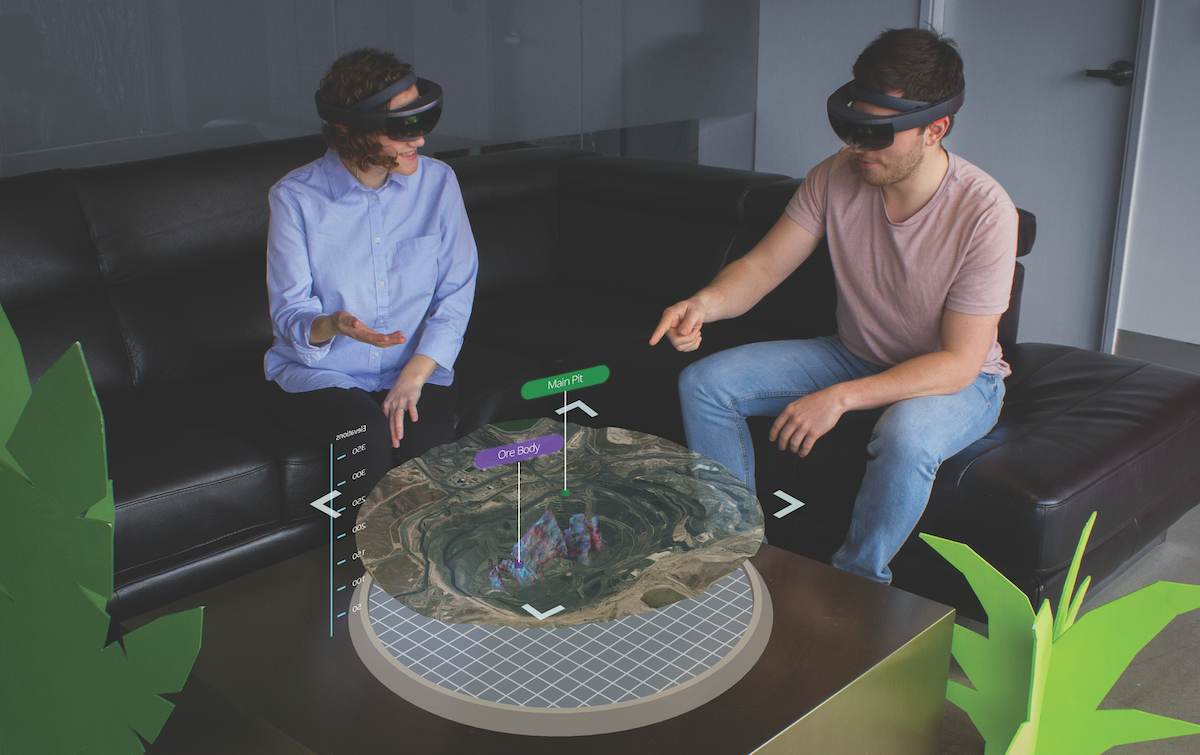
MinelLife VR, Llama Zoo
###
Archiact was first founded in 2013, specializing in early virtual reality development. Today, with offices in Vancouver, Canada and Shanghai, China it is one of the world’s largest virtual and augmented reality studios – providing top quality experiences across all major platforms in entertainment and enterprise solutions. Archiact has partnered with the very best at Intel, Epic Games & Nvidia to deliver AAA quality graphics for next generation devices. Their upcoming flagship title “Evasion,” is an authentic full locomotion FPS featuring intense action that has already been hailed by VR critics as a “Borderlands for VR” and a “landmark FPS title”, a must-have VR game for 2018 which will be showcased at TED.
For more information, please visit https://www.archiactvr.com/.
Cognitive 3D was founded in 2015 with a vision to change the way human behavior is analyzed and understood. The platform records, measures, aggregates, and analyzes data from VR, AR, and MR experiences, and generates reports with actionable insights. This technology helps brands develop better products, understand spaces in new ways, and carry our training with clearer results. Cognitive 3D is also creating a language for VR/AR/MR analytics, giving people new ways to talk about and understand this new type of behavior. For more information, please visit https://cognitive3d.com/.
LlamaZOO Interactive is an award-winning AR/VR development studio that creates 3D communication, training, and digital twin visualization solutions. LlamaZOO Interactive will be demoing the following two projects which showcase the power and capability of VR for visualizing complex interactive 3D data for industries such as mining and education. JetsonVR is the world’s first virtual reality canine dissection experience where users to conveniently, safely, and interactively explore the complete canine anatomy, and dissect it organ by organ, inside a virtual lab. MineLife VR fuses complex geospatial and mine planning data into an interactive, 1:1 scale digital twin of the planned, current, and future states of a mine site, over 30,000 km2 (18,600m2). For more information please visit https://www.llamazoo.com/.
Ziva Dynamics is an innovation company changing how virtual humans are created and rendered in interactive experiences through proprietary authoring, intelligence, and rendering technologies. The software automates the creation and utility of virtual humans, through anatomically-correct psychologically-driven character stimulation intelligence. Ziva Dynamics joined forces with Intel to showcase the future of character FX at the 2018 Sundance Film Festival. Ziva will have two stations set up to show the advancements in virtual human and creature simulation with our tech over the last 2 years. For more information, please visit https://zivadynamics.com/.
Precision OS is a software company positioned to positively impact Orthopedic surgery with their high-fidelity VR software platforms. Their focus on the critical elements of surgery, haptics, and metric feedback provides for an unparalleled educational experience. In addition, their pre-operative planning tool eliminates the trial and error associated with fracture care through an immersive interaction with your patients’ images. This combined with their carefully selected team provides the domain expertise one would expect to change the delivery of Orthopedic care globally. For more information, please visit https://precisionostech.com/.
Finger Food Studios is an award-winning technology solutions company that excels at creating industry transforming solutions for global companies at the convergence of AR/VR, AI, and IoT. Combining technical prowess and some of the world’s best creative, engineering, quality assurance, and business professionals, the company embraces challenge as an opportunity to change things for the better. We care deeply about our clients’ success and are dedicated to creating positive change for each business we work with, our community, and the environment. For more information please visit https://www.fingerfoodstudios.com/.
VR/AR Association Vancouver Chapter (VRARA) represents the coming-together of brilliant minds across the VR/AR/MR ecosystem in Vancouver, from original content creators and creative distributors to innovative hardware companies and ambitious researchers. Vancouver is a national and international hub for technological innovation and the VRARA Vancouver chapter is dedicated to supporting and strengthening BC’s position as a global leader in immersive technology. VRARA Vancouver works across the globe with other VRARA chapters to provide members with worldwide reach and opportunities. For more information, please visit www.thevrara.com/vancouver-chapter/ and find the VRARA Vancouver on Twitter, Facebook, and Instagram.
Key Contact
Dan Burgar, VR/AR Association Vancouver Chapter President
604.880.8983
O Cluster da Realidade Virtual e Aumentada (Portugal)
See VRARA Portugal Chapter page here

Uma das mensagens que melhor passou internacionalmente nos últimos anos é a da qualificação dos nossos técnicos. Temos dos melhores programadores do mundo, com atitude profissional e gosto por ambientes desafiantes e multi-culturais. A presença do Web Summit, o numero crescente de Centros de Competência tecnológicos e até Resoluções do Conselho de Ministros como a Incode2030 são sinais deste reconhecimento e destacam esta oportunidade de crescimento através de emprego qualificado. É uma aposta ganha, por agora.
A manutenção deste modelo de desenvolvimento não é um segredo e alcança-se da mesma forma que todos os outros: promovendo o aumento sustentado da procura e a manutenção de oferta de qualidade. Ora as evidências apontam que o mercado da Realidade Virtual/Aumentada pode ser estratégico neste objetivo.
No passado Fevereiro, foi lançada a primeira versão do Ecossistema de Realidade Virtual e Aumentada em Portugal, criada pela VRARA (Virtual Reality and Augmented Reality Organization). A principal revelação foi a existência de mais de 39 PME’s a trabalharem Realidade Aumentada e Virtual em Portugal, um numero excecional dado o tamanho do nosso mercado e o potencial de exportação nearshore destes serviços. Esse número, acompanhado de mais de 20 Universidades, Centros de Investigação, Centros de Formação e comunidades espontâneas a discutir estes temas denotam muito interesse social, vontade e experiência de criar competências.
O impacto real deste setor é grande, porque cada projeto (especialmente em Realidade Aumentada) implica competências multidisciplinares – 3D, vídeo, programação mobile, desenvolvimento web, UI/UX, integração, Hosting, Business Intelligence - o que faz com que estes projetos não exijam apenas profissionais, mas sim equipas habituadas a este nível de complexidade. É a oportunidade para aumentarmos o volume do nosso emprego qualificado com equipas em nearshore para a União Europeia ou com centros de competência especializados num cluster prestes a explodir.
Este fôlego só se manterá enquanto a oferta de técnicos especializados acompanhar a procura. Muitos dos licenciados que estão à saída das universidades são já aliciados com contratos e benefícios crescentes – a consequência do aumento da procura. E este aumento, se tudo correr bem, não vai parar. Então, qual a solução quando as universidades, politécnicos e centros de qualificação não conseguem acompanhar a procura? Eu diria o mercado brasileiro.
Repleto de bons profissionais com afinidade cultural e interesse socioeconómico no nosso país, o Brasil pode ser a fonte de talento que Portugal precisa para continuar a dar resposta à procura constante destas competências. E de alguma forma, começamos a ver mais profissionais brasileiros no nosso mercado.
Contudo, quantidade não corresponde necessariamente a qualidade e o recrutamento destas competências ocorre em Portugal aos técnicos brasileiros que realizar uma viagem para se aventurarem neste mercado. Ora, muito embora esta vontade inicial de trabalhar no nosso mercado possa ser confundida com um critério de seleção só por si, a verdade é que a maior parte do talento brasileiro interessante e interessado ainda se encontra no Brasil. Logo, no Brasil que importa captar talento e faz sentido investimentos em competições e parcerias de recrutamento locais, junto de entidades que promovam a contratação direta de profissionais. Este é um tema que pode ser naturalmente apoiado por fundos estruturais, pois contribui diretamente para o desenvolvimento socioeconómico do País.
A Realidade Virtual e a Realidade Aumentada, onde já temos estas competências transformadoras da sociedade e um ecossistema gerado autonomamente, é a área onde poderemos mais rapidamente obter frutos duma aposta num cluster único na Europa.
E no final, a sustentabilidade alcança-se com o nosso mercado de trabalho como um fator de investimento no nosso país e não o contrário.
VRARA & Lethbridge College to host world’s first full-day conference held in VR
To RSVP email info@thevrara.com

LETHBRIDGE – The very real world of virtual reality will be explored during an innovative industry-leading conference hosted by Lethbridge College.
Merging Realities: An Event of Multiple Perspectives is taking place on April 26, and the conference will feature renowned guests from the fields of virtual and augmented reality.
They will be speaking to participants who can join in from around the world.
This is made possible by being the first full-day conference to be hosted completely in virtual reality.
Kris Hodgson, interim chair of Lethbridge College’s School of Media and Design, says many virtual meetings have been held around the world, but this is the first conference they know of will spend an entire day in the virtual setting.
“Industry-leading speakers will highlight the latest advances in virtual and augmented reality. Our Multimedia Production program has spearheaded this event, led by instructor Mike McCready and his students, and it's truly incredible what has been accomplished in only a few months.”
A release states that due to high demand only a limited number of seats are available in VR for each session and will be held for those who have VR headsets.
However, all attendees will be able to view all sessions via live streaming with a dozen speakers from a variety of backgrounds scheduled to speak throughout the day.
Keynote presenters include:
- Alan Smithson: co-founder and CEO of MetaVRse. Alan has positioned himself as a leader in business applications for VR/AR.
- Alex Katzen: Google's Daydream business development team content specialist. Alex works with third-party VR and AR developers to support the ecosystem and bring quality content to the Google platform.
- Cathy Hackl: VR/AR global speaker, producer and marketing futurist. Cathy is an Emmy-nominated communicator turned author, named by IZEA and Onalytica as a leading AR/VR influencer and by NBC News as one of the top women working in virtual reality.
Multimedia Production instructor Mike McCready says Merging Realities is a unique event where students and industry are working together to educate the community on virtual and augmented reality.
“The enthusiastic early response is a clear indicator that there are a need and interest for training in this field.”
Lethbridge College is quickly establishing its credentials as a leader in VR/AR, recently joining the international VR/AR Association.
McCready and Hodgson will serve as co-presidents of the Alberta Chapter of VRARA.
The membership gives the college access to resources as it begins to integrate VR/AR into its programming across campus.
"This is just the tip of the iceberg for the work in VR/AR that the School of Media and Design is pursuing,” Hodgson continued. “We look forward to collaborating further with industry across the globe.”
The Merging Realities event will culminate with a business mixer from 4 p.m. to 6 p.m. at the college, which is open to anyone interested in learning more about the many applications for VR/AR.
A full itinerary of the event can be found here.
Watch our recap of VR AR at VRDC GDC
Featured companies in this video include Anzu, Disney, eBay, HTC, Motive, Sketchfab, Sony, Unreal Engine, and others.
Vancouver, British Columbia is a leading creative hub at the forefront of interactive technology (report)

British Columbia, Canada, is home to a creative cluster of world-class companies specializing in game development. As an international centre for console, social, and mobile game production, as well as an emerging hub for virtual reality technology, British Columbia offers highly skilled talent, a cost-competitive and convenient west coast location, and targeted incentives.
Join leading companies including Capcom Game Studio, EA (Electronic Arts), Microsoft, Sega, Eastside Games, and over 120 more studios that make up British Columbia’s creative cluster of game developers. With strong links to the U.S. west coast, Asia, and Europe, our interactive games sector is integrated with world markets and can handle the full range of development from concept through production.
If you want to locate your business in a thriving interactive technology ecosystem, or partner with innovative game developers, British Columbia is the right place to be — it’s where the creative revolution is taking off.
COMPETITIVE ADVANTAGES OF BRITISH COLUMBIA:
- Interactive Digital Media Tax Credit
- Skilled labour force
- High quality of life
- Strategic West Coast location
- Low corporate and personal income taxes
- Targeted tax incentives
The Power and Potential of VR for Impact
By Davar Ardalan
Founder and Storyteller in Chief at IVOW & co-chair of the VRARA Storytelling Committee.

My Beautiful Home is one of the five 360/VR films selected in the 5th annual Socially Relevant Film Festival in New York.
As I considered how to select the 360/VR films for the 5th annual Socially Relevant Film Festival in New York, there were several criteria to include. How immersive and engaging were the films; what kind of impact did they have on us; did they have a creative approach to filming, sound, and storytelling; and finally, how original was the interaction? These questions were inspired by SwedenVR, an international VR competition that takes into consideration UN Sustainable Goals when judging films and their impact.
My Beautiful Home and The Great, two of the 360/VR films showcased at this year’s festival, exemplify the transformative qualities of VR. Both films move you to your core but in completely different ways.
The Great invites you on an exhilarating dive with great white sharks. While the filmmaker is in a cage behind you or to your left or right, you’re immersed with a shark in crystal blue waters in the western frontiers of Mexico. The shark is free and you are mesmerized by the sheer strength and beauty of its nature and physique. The instant when you sense a shark coming towards you is surreal and powerful.
My Beautiful Home, set in the slums of Kibera, Kenya, although not nearly as well-produced as The Great, had much more of a personal impact on me. Lucy Ochieng of Kibera is our guide throughout this powerful story that chooses to dwell on the richness and universality of creativity and community rather than the extreme poverty that surrounds us. The spirit of the film is genuine and together with the narration, the whispers were effective in making me care and pay attention. Compared to the other films nominated, there was an unmatched depth and immersive sensibility to this film.
Discovering the raw power of VR as an impactful storytelling tool has been one of the most fulfilling experiences of my career as a journalist. I spent two decades at NPR News producing national and international broadcasts including NPR's Weekend Edition, Tell Me More, and Morning Edition, where I helped shape the newsmagazines and was responsible for decisions that required elaborate coordination such as broadcasts from Baghdad, Kabul, New Orleans, and Ferguson, Missouri.
I left NPR in 2015 and joined the open innovation space. Working with SecondMuse, I designed a global immersive storytelling call-out around healthy eating in the South Pacific, funded by the Australian Government Department of Foreign Affairs and Trade’s innovationXchange (DFAT iXc). The selected pilot programs, produced by storytelling agencies in Sydney and Melbourne, will launch in late April and are geared towards tackling malnutrition and bringing pride back to traditional diets via VR and gamification.
Tash Tan is the co-founder of S1T2 in Sydney and the creator of Beyond the Stars, an educational program that uses innovative technology, play-based learning tools, and storytelling mediums to inspire children in Fiji to adopt healthy living habits, self-educate on subjects from their school curriculum, and consider the impact their actions have on the environment. Set across the backdrop of the Pacific Islands, the heroes of Beyond the Stars journey with students across islands, through mountains, and into underwater caves searching for legendary sacred relics that have been imbued with the wisdom of an ancient civilization. This knowledge is the key to restoring health and prosperity in the Pacific and preserving the natural beauty of the land.
S1T2 uses virtual reality to introduce this story in a first-person format that allows children to embody their character’s journey in the virtual world. Starting from the comfort of a familiar classroom, the story quickly moves to magical environments, merging fiction with reality. In the VR experience of Beyond the Stars, the hero is the protagonist urging children to make choices in the story world -- a consistent theme used to underline the importance of decision-making when it comes to healthy living and nutrition.
Tan says that action starts with empowerment, and in Beyond the Stars this is a central motif. “We use technology to enrich our story by allowing as many aspects of the story world to be interactive,” Tan says. “This not only gives children the chance to try, and try again in a safe environment, but also creates an understanding that everyone has the power to make a difference. This application of gamification methodology is essential to teaching healthy living because we are faced with decisions and choices every day on what to eat, how to live our lives, and our adoption of local tradition and culture.”
The purpose of the virtual reality experience is to imbue a sense of wonder within each child so that when they are exposed to other low-tech mediums they manifest their imagination into the program.
“We utilize transmedia storytelling in a similar manner that Star Wars and Harry Potter share their characters, stories, and universes over multiple mediums,” says Tan. “From initial reports and evaluations, we’ve found that this approach is proving to be immensely rewarding even in an educational context, as children are not only able to articulate the narrative of Beyond the Stars, they are also able to demonstrate an understanding of the program learnings and impact outcomes behind the narrative.”
One of the key VR storytelling elements that S1T2 has introduced into the VR narrative is Masi -- a flying cloth made from treebark. Masi is the companion who guides our heroes on their VR journey. “He is a bit cheeky and likes to play games with our hero,” Tan says. “In one scene for example, Masi imitates the player’s movements accentuating your agency over the world. This in some way makes the fictional world feel more real -- you are a protagonist who has a reciprocal relationship with the characters in VR.”
Allan Soutaris of SecondMuse is the director of the Legends project. He says the key to making it successful is to involve stakeholders from across the island nation of Fiji -- including the Ministries of Education and Health, as well as teachers, students, and parents.
“From the outset, we've worked closely with educators, cultural advisors, and local artists to ensure the program is very much a product of Fiji for Fiji,” Soutaris points out. We consider those stakeholders as co-creators and owners of the program, and their input has informed key elements of the narrative, structure, and classroom delivery. Without the valuable insight provided by schools and communities, I don't believe the program would resonate nearly as much has it has so far. There is a real sense of magic to the narrative that could have only come from an approach such as this.”
The inspiration I found in my work with SecondMuse and the Legends Projects led me to start IVOW, a storytelling agency powered by AI & Culture. Part of our mission will be to strengthen metadata in 360/VR storytelling. It is said that the best stories are not just read or heard -- they are felt. VR provides us a unique way to live inside a story, to experience an imagined world and the real life of the characters and creatures that shape our existence.



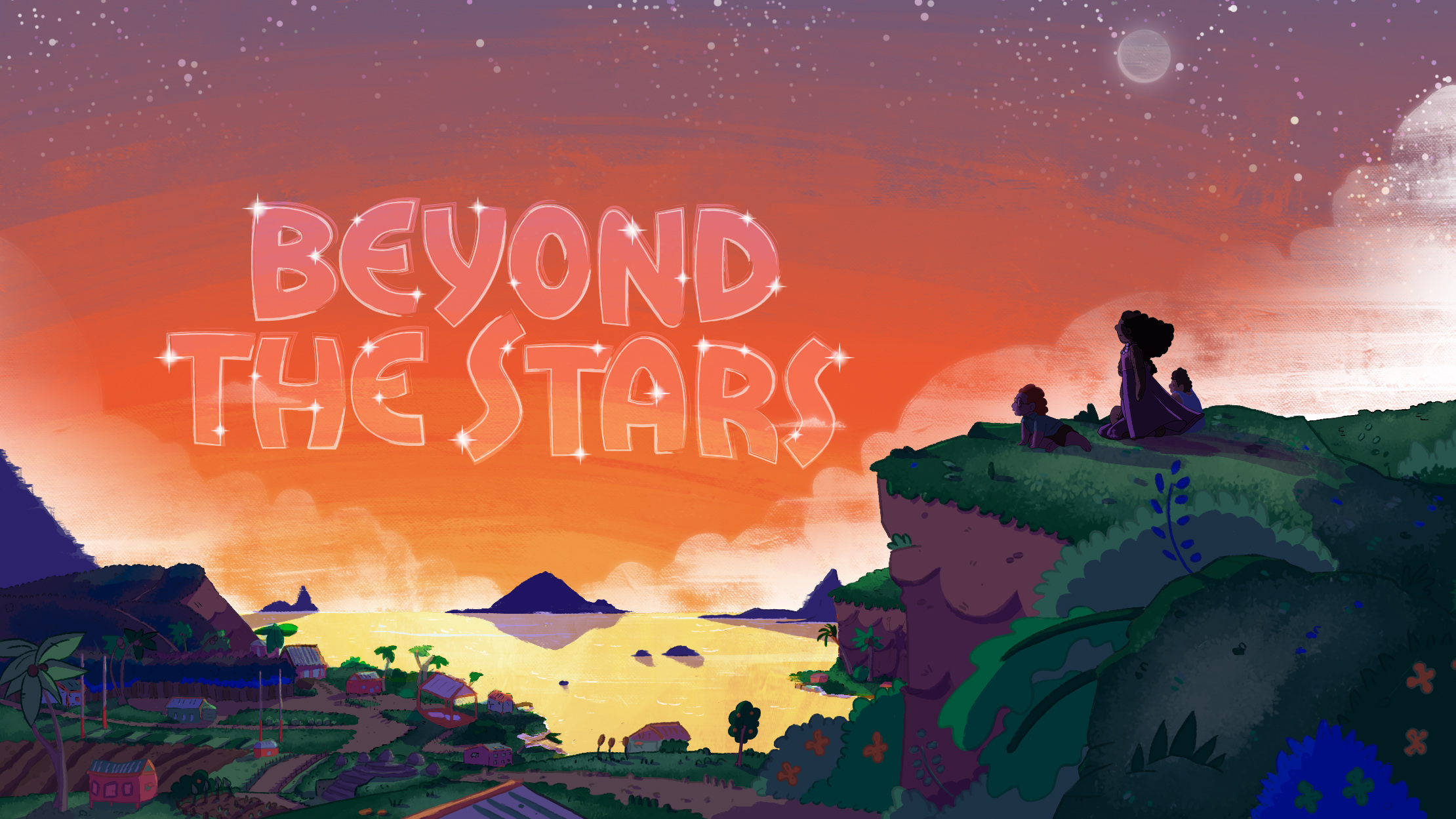
Davar Ardalan is the founder of IVOW, a storytelling agency powered by AI and culture. She’s also senior advisor to the Legends project in the South Pacific along with Ben Kreimer, IVOW’s Director of Storytelling Technology. Ardalan was formerly the director of Storytelling and Engagement at SecondMuse and an award-winning journalist for National Public Radio from 1993–2015.

Lampix launches on Kickstarter: Personal-touch, no-screen tabletop Augmented Reality is here
See Kickstarter page

Lampix is live on Kickstarter

What is Lampix?
Lampixis a truly interactive tabletop augmented reality system that uses machine learning and blockchain-based image sourcing to recognize, reveal and react to the visual world.
Connect to what you see
Lampix merges a few simple, familiar elements—and one groundbreaking element—into something new. At its core, Lampix looks like a fashionable LED table lamp, but it houses a high definition projector and camera that does more than just display your screen on a flat surface. Lampix recognizes fine hand movements and intelligently responds to an ever-growing list of real-world objects, inviting interaction on a whole new scale.

Dynamic new scenes beyond your screens
Conference room and cubicles. Restaurants and stores. Kitchen tables and gaming tables. They all can come to life with Lampix. From sharing and collaborating on actual pen and paper documents, to rendering visually stunning worlds for gamers, with Lampix the possibilities for developers are wide open.
Powered by people, built on blockchain
Lampix is limited only by your imagination. That’s why we’ve created the PIX blockchain token system. PIX allows businesses and individuals to request and submit object reference images and category descriptions for the benefit of Lampix users and beyond. By building our robust object recognition platform this way, the system is decentralized and open to all users and developers. This will help generate a vast, always growing database of images to power unique applications across industries.

Open call for apps + images
We’ve made Lampix Developer Edition as open and simple as possible. Leverage our powerful object detection system with your own HTML5 based apps. Need reference images for your app to recognize specific objects? Set a bounty and let the community come to your aid. When you’re ready to bring your app to market, sell your apps for PIX tokens to generate revenue.
The next step—join us
The Lampix visual ecosystem needs you. We’re looking for apps to help us blaze a trail for new kinds of interactivity, and images to grow our machine learning visual engine. But first, make a pledge on Kickstarter to help us get Lampix to our product release date.
Back Lampix on our Kickstarter page.
For more information about Lampix, visit lampix.com

Member Spotlight: Ryan Chapman, Motive.io CEO
We caught up with VRARA Vancouver member Ryan Chapman, CEO of Motive.io, to discuss location-based AR, how to get people engaged in immersive tech, and the Vancouver VR/AR community!
Laura Ryu Marketing Manager of VRARA Vancouver caught up with VRARA Vancouver member Ryan Chapman, CEO of Motive.io, to discuss location-based AR, how to get people engaged in immersive tech, and the Vancouver VR/AR community!
Tell us about yourself! Who is Ryan Chapman and where does Motive.io fit into the VR/AR space?
Hi! I'm Ryan Chapman, CEO of Motive.io. I've been working in the tech industry for 20 years, with stops including Microsoft, TiVo, and a handful start-ups. Currently I'm CEO and tech lead of Motive.io where we're building a platform that streamlines the development of location-AR apps and games.
How did you get involved in VR/AR?
We've been working in the location-based augmented reality space since 2009. We started as RocketChicken Interactive and released a location-based spy game called CodeRunner in 2012. With CodeRunner we focused really heavily on first-person narrative and created some unique technology that allowed us to tell a compelling story that adapted to the player's surroundings no matter where they were playing.
Tell us about your most recent project?
Motive.io takes the lessons we learned from building CodeRunner and turns them into a platform that anybody can use. Not only are you getting a platform that's been developed, tested, and refined for over five years, you're also getting close to a decade of our own experience crafting location-based AR experiences.
What piece of work that your team has produced are you most proud of?
The Motive platform is by far the product that I am most proud of. It's an incredibly complex system with hundreds of moving parts. I'm also extremely proud of the team that we've built, all of whom have pushed through some pretty challenging times with incredible humour and resilience.


It seems like Motive.io has created a handful of app focused on location-based technology, is there a particular reason why?
We've always been fascinated by the potential to create meaningful engagement with the real world through technology. We started working in the space in the early years of smartphones and felt that many of the elements that made these devices unique were being ignored by developers. Everybody was starting to carry, in their pocket, a device that had access to the boundless resources of the Internet and at the same time knew exactly where you were and what was going on around you. CodeRunner was our first attempt to push the boundaries of a whole new form of entertainment and we haven't looked back since!
What has been the biggest challenge you've faced at Motive.io so far?
I think our biggest challenges are the same ones that a lot of small companies and start-ups face: learning about your market and surviving long enough to get a product ready that fits it.
The public interest in immersive technology seems to grow and fade. What do you think will change the attitude of those who still have reservations about VR/AR technology?
I think people need an entry point into immersive experiences that feels familiar and inviting. This is really one of the key values that we're trying to create. Motive.io gives people compelling, immersive experiences using a device that they already carry with them every day. As people get comfortable with these sorts of apps and games, they will naturally start to see the potential for VR and AR and will start looking for more depth and interaction.
What are you throught on the VR/AR industry in Vancouver? How can companies, communities, and institutions help foster growth and adoption?
I'm beyond thrilled about the VR/AR industry in Vancouver. Our history as a gaming and film hub positions us perfectly to be a pioneer in VR and AR.
As a member, what do you wish people knew about the VR/AR Assocation, especially in Vancouver?
In Vancouver in particular, I'd really love more people to know just what a vibrant technology scene we have, and especially how well represented we are in one of the hottest technology trends of the day. The Global Summit in September is testament to the incredible work that everyone in the industry here has done to push us into a position to be recognized as a global leader.
What can we expect from Motive.io this year?
We are launching open access to Motive.io at GDC later this month! We're thrilled to finally get this in the hands of developers looking to create location-AR and we have a huge stack of features that we'll be adding throughout the year. Stay tuned!
VRARA Sees 500% Growth By Connecting the VR AR Industry

We’ve seen the future: Holograms, avatars and sci-fi like gesture based interfaces are all poised to trigger a real feeling. How you work, shop, and play are all being transformed by VR and AR. With technology hubs around the world now supporting VR/AR seemingly en masse, the way we communicate and consume data is migrating towards VR/AR. Who wouldn’t want an easier more fun way to do your daily tasks.
For enterprise and education, this not only means assimilating new information but also facilitating this information for your organizational needs. Being able to adopt the technology and smartly execute it will separate the winners from everybody else. Retailers who are contextually relevant will swipe up for sales, while enterprise companies that leverage VR/AR and AI will markedly bolster their offerings. So how do I get started, what can my company do now to stay current with the technology? The VR/AR Association (VRARA) provides training, creates industry standards, and most importantly connects companies, brands and developers.

VRARA is an international organization designed to foster collaboration between innovative companies and people in the VR and AR ecosystem that accelerates growth, fosters research and education, helps develop industry standards, connects member organizations and promotes the services of member companies. With 500% year-over-year growth, the VRARA has approx 4000 companies, brands, and developers registered — you get access to the largest ecosystem in the industry. Likewise, with constantly evolving technology in the ecosystem; the VRARA Industry Committee’s are helping define and solidify standards and best practices across multiple verticals.

Continuing with growth trajectory of the industry and requests of the member base, VRARA recently announced its hosting the VR/AR Global Summit in Vancouver, taking place September 21-22, 2018. With VRARA’s industry events, conferences, and symposiums; the organization helps with providing an exclusive platform to spotlight visibility on players in the space and new developments for future growth.
Schell Games, Dwayne Waite, agrees, “Joining the VRARA supports our emphasis of maintaining the studio’s VR/AR momentum and we believe that joining the VRARA will increase the studio’s visibility as a primary player in the VR/AR environment.”
“As a leading manufacturer of AR smart glasses, we want to be deeply involved in VR/AR socialization and education across industries and verticals, which the VRARA facilitates through speaking engagements, conferences, and other events and activities.” Leon Laroue, Epson
“VRARA has managed to gather the key players in the space, to foster collaboration and make sure the important discussions which need to happen to push the ecosystem forward are indeed happening.” Alban Denoyel Co-founder & CEO, at Sketchfab
“VRARA is a wonderful organization with a clear mission. We believe there are a lot of standards that still need to be developed in order to help increase adoption of VR AR technology. That’s one of the main reasons we joined VRARA; By being a part of these conversations and helping build these standards, Overstock can continue to give customers the best possible shopping experience.” Amit Goyal, SVP at Overstock
Become a Member by March 30 and get 10% discount on Membership. Mention code “Discount10”. Apply here

Virtual Reality and Education 4.0
By Carlos J. Ochoa, Co-Chair Education Committee carlos@thevrara.com

Preface
Today, we are at the beginning of a Fourth Industrial Revolution. Developments in genetics, artificial intelligence, robotics, nanotechnology, 3D printing and biotechnology, to name just a few, are all building on and amplifying one another. This will lay the foundation for a revolution more comprehensive and all-encompassing than anything we have ever seen.
Smart systems—homes, factories, enterprises, grids or cities—will help tackle problems ranging from supply chain management to climate change. The rise of the sharing economy will allow people to monetize everything from their empty house to their car. The question, then, is how business, government and individuals will react to these developments. To prevent a worst-case scenario—technological change accompanied by talent shortages, mass unemployment and growing inequality—reskilling and upskilling of today’s workers will be critical.
Building Innovation Bridges
While much has been said about the need for reform in basic education, it is simply not possible to weather the current technological revolution by waiting for the next generation’s workforce to become better prepared. Instead, it is critical that businesses take an active role in supporting their current workforces through re-training, that individuals take a proactive approach to their own lifelong learning and that governments create the enabling environment, rapidly and creatively, to assist these efforts.
Disruptive changes to business models will have a profound impact on the employment landscape over the coming years. Many of the major drivers of transformation currently affecting global industries are expected to have a significant impact on jobs, ranging from significant job creation to job displacement, and from heightened labour productivity to widening skills gaps.
Education 4.0 vs Industry 4.0
In such a rapidly evolving employment landscape, the ability to anticipate and prepare for future skills requirements, job content and the aggregate effect on employment is increasingly critical for businesses, governments and individuals in order to fully seize the opportunities presented by these trends—and to mitigate undesirable outcomes.
We can talk about Education 4.0 in a future and adequate context to train students in a scenario of needs and new skills demand for Industry 4.0. In this Industry 4.0 scenario, new technologies converge in a disruptive and complex ecosystem and basically comprise it.
The Smart Innovation Space
Advanced reality (Virtual, augmented, mixed…reality), Additive manufacturing, Artificial Intelligence, Autonomous Cars/ Drones, Big Data and Real Time Analytics, Cloud Services, Cybersecurity, Digital Twins, Internet of Things, Machine-Machine interface, Robots, Total Systems Integration…
To do this, new training, skills and training are required, which will enable this new industrial revolution to be addressed in an efficient and sustainable manner.
- Empowering teachers: Empowering and training teachers with tools and methods to become real entrepreneurs of the educational community and improve the engagement factor with students as coachers.
- Diversity of time and space: Through immersive learning, students have the opportunity to study at different times and in different places, encouraging self-training.
- Adaptive learning: Different levels of complexity will be adapted for each student, empowering those who present more difficulties for learning.
- Experimental Learning: From a simply ‘learning’ topic to ‘interact and experiment’ the content. This allows a student to explore, to experience or to be involved in something “real”.
- Free choice of content and learning path: Each student can prepare with the tools and topics needed to perform in the industry.
- The Immersive Experience: Traditional educational materials fail to inspire and engage further learning with most students as it forces them into a form of memory testing rather than retaining knowledge through practice and immersive experience.
- New Evaluation Methods and Processes: In this new context, new evaluation process has to be defined, according the new “student learning objectives”, and defining new performance indicators according to that. That means, the exams should change radically. With the help of technology and new methodologies, it is possible to carry out a complete follow-up on the training process, measuring the different indicators according the evaluation criteria, impact in society and added value provided.
Now, let´s think about it. This is the future that VR/AR technology promises and it’s not that far away. Will you take it one-step further? Participate in our Education Committee today!
Submit Your Virtual/Mixed Reality Research for the $10,000 Human Factors Prize
Submit here

The Human Factors and Ergonomics Society is inviting submissions for the 2018 Human Factors Prize for Excellence in Human Factors/Ergonomics Research. The topic for the 2018 Prize is virtual reality/mixed reality, and submissions should describe research pertaining to human factors issues in environments with a mixture of real and virtual elements, and the applications of these environments in various domains.
The Prize confers a $10,000 cash award and publication of the winning paper in the Society’s flagship journal, Human Factors. The winner will also present his or her paper in a special award ceremony at the HFES 2018 Annual Meeting in Philadelphia. Any researcher is eligible to submit work; membership in HFES is not required.
Submissions for the Human Factors Prize can report on the human factors research related to techniques, tools, or training to develop MR/VR to ensure safety and enhance performance in any domain and application area, including but not limited to
Aviation
Transportation
Oil and gas, power grid, nuclear energy
Military operations
Education
Gaming
Health
Politics
Terrorism
Submissions will be accepted between June 15 and July 16, 2018. For additional information about this year’s topic and the Human Factors Prize, please visit the Prize webpage at https://hfes.org/Security/ContentPages/?Id=233