
Enterprise XR: The Road to $39 Billion (New Report)
This post is adapted from ARtillry's latest Intelligence Briefing: Enterprise XR: Impacting the Bottom Line. It includes some of its data and key takeaways. Subscribe to ARtillry Insights to access the full report.

XR Revenue Outlook (year-by-year detail provided in full report)
The past year was volatile for XR. After an exuberant 2016, the sector’s temperature cooled when consumer hardware penetration – a key leading indicator of industry health – fell short of expectations. So attention shifted to areas of nearer-term scale: mobile and enterprise.
For enterprise (mobile is covered in a separate report) , its nearer-term opportunity is due to a greater addressable market. There are more receptive buyers in enterprise environments, due to measurable time and efficiency gains in AR-assisted job roles. This creates a clear ROI narrative.
To quantify, companies like Intel and Coca-Cola demonstrate 15-45 percent efficiency gains today. This includes time saved in assembly, sorting and maintenance functions. Given that enterprise process management generally strives for single-digit efficiency gains, this XR impact is notable.
And unlike consumer markets, where mobile devices are the near-term play, head-worn XR devices are already penetrating the enterprise. This is due to one big variable: style. AR glasses don’t yet pass consumer markets’ stylistic requirements, but that’s not an issue in the enterprise.

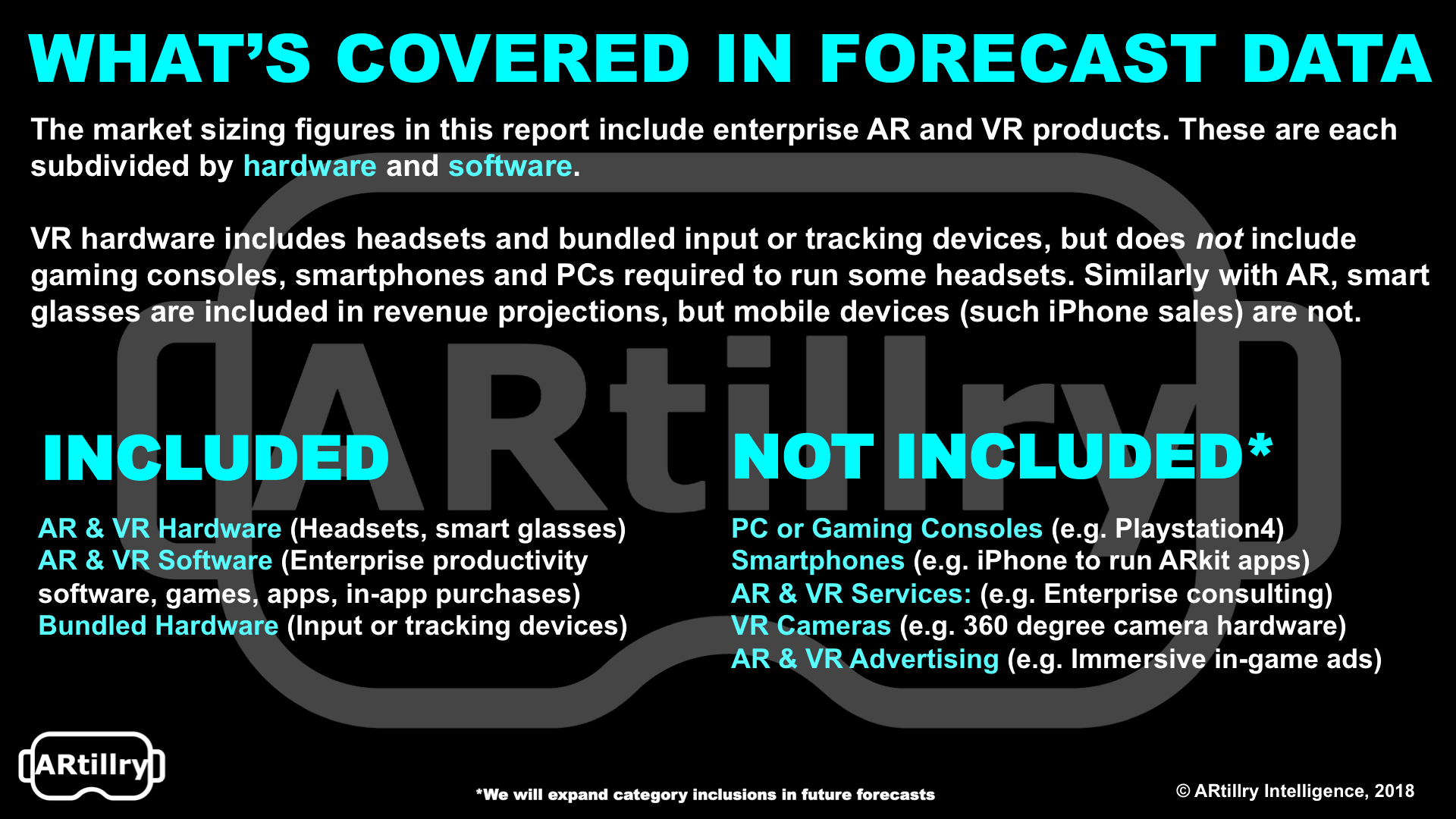
For all of these reasons, ARtillry Intelligence projects enterprise XR to grow from $554 million in 2016 to $39 billion by 2021, with an inflection point in 2019. Near-term revenue will be hardware- dominant as an installed base paves the way for recurring software revenue in later years.
Most of that revenue will be from AR versus VR. Though VR’s place in the enterprise will be valuable and transformative, AR’s market opportunity is larger. This is due to its breadth of applicability across enterprise functions, and pass-through vision that enables more versatility.
But despite all of these positive dynamics and fertile ground for enterprise XR, there will be challenges. As with any organizational technology adoption, there is red tape, inertia, sales cycles and the complications of system integration. As the saying goes, anything worthwhile isn’t easy.
So how will this all play out? What are enterprise XR’s benefits and proof points? What are enterprises saying and doing to indicate areas of opportunity? Who’s exhibiting best practices? And what are the biggest lessons so far? This report sets out to answer these burning questions.
Key Takeaways
XR has been heralded as the next major technological transformation. This will materialize, but later than expected.
-- Similar to the early-2000’s e-commerce bubble, XR excitement and market sizing isn’t overblown… it’s just early.
Soft consumer hardware sales have shifted attention to near-term scale and opportunity, including mobile and enterprise.
ARtillry Intelligence projects enterprise XR to grow from $554 million in 2016 to $39 billion by 2021.
-- Enterprise AR will grow from $314 million in 2016 to $35.2 billion in 2021, including a 2019 inflection point.
-- Enterprise VR will grow from $240 million in 2016 to $3.8 billion in 2021.
AR’s share results from breadth of applicability for enterprise functions, and pass-through vision that enables versatility.
-- AR will also be widely applicable across verticals including CPG, automotive and aerospace.
-- Enterprises have less stylistic and budgetary restraints than consumers, given today’s bulky and costly smart glasses.
Enterprise XR includes live AR remote assistance (assembly, maintenance), pre-authored AR guidance (sorting, maintenance), and immersive VR collaboration (training, design), among other formats.
Adoption drivers include strong ROI and operational efficiencies (time and error reduction) in functions like manufacturing.
-- Intel, Coca-Cola and others detailed in this report demonstrate 15-45 percent efficiency gains today.
-- Additional cost savings result from remote support and collaboration, which lessen travel and machine downtime.
Beyond micro-economics, enterprise AR has potential to transform workforce management
-- AR’s guided instructions or live remote assistance makes more people qualified for more jobs.
-- This unlocks enterprise efficiencies and employees’ in-house mobility, task variety and morale.
-- AR can enable experienced and valued veterans to work remotely, rather than retire or burn out from field work.
Enterprise XR benefits are counterbalanced by several challenges, most of them due to organizational inertia.
-- Like many technologies, XR will face resistance at organizational and departmental levels.
-- The first and only point of entry is often “innovation centers,” where XR is often well received but then languishes.
Tactics for overcoming hurdles include building on already-adopted systems (e.g. Android), and grassroots support.
-- Greater chance of deployment can result from advocacy within the business units proposed to use XR. Bottom-to-top organizational buy-in can create powerful demand signals that lead to real XR deployments.
-- Value propositions should go beyond bottom-line impact and be spun to address individual (and sometimes selfish) pain points of decision makers and influencers throughout the organization.
Despite challenges, there’s good news.
-- After initial adoption, subsequent XR implementations are easier to achieve, as comfort levels are gained.
-- There is evidence that sales cycles are reducing in length.
Cultural familiarity with XR will inch forward and lessen enterprise resistance – a common process in tech revolutions.
-- We’ll see step functions as companies make investments that fuel advancement, which in turn drives more investment.
Challenges will persist into 2018 but momentum and acclimation are leading towards a 2019 tipping point.
-- Enterprise XR will follow a similar adoption pattern seen in smartphone enterprise integration over the last decade.
Subscribe to access the full report.

VRARA and Lawrence Technological University Team Up to Host Monthly Events

The Virtual Reality / Augmented Reality Association has selected Lawrence Technological University and the LTU Collaboratory as the location for VRARA Detroit Chapter monthly meetings. LTU has also opted to join the trade association for the virtual reality, augmented reality, and mixed reality industries.
The first six monthly meetings will be held in the University Technology and Learning Center Gallery on the campus of LTU from 6 to 9 p.m. Tuesday evenings, Feb. 27, March 27, April 24, May 22, June 26 and July 31. LTU’s campus is at 21000 W. 10 Mile Road in Southfield (see www.ltu.edu/map).
The evening programs will include a keynote speaker, hardware and software demonstrations, and networking.
The inaugural speaker for Feb. 27 will be Franco Bevione, CEO of Wedoo LLC, the Birmingham-based United States subsidiary of a digital creative agency in Turin, Italy. (More at www.wedoo.it.)
Registration is $15 for the event. To register or for more information, visit www.eventbrite.com/e/vrara-detroit-february-event-tickets-42890138559.
VRARA is a global industry association serving the VR, AR and MR industries, representing 3,900 companies and 15,000 professionals through more than 50 local chapters. Those chapters are run by a local president who helps coordinate events, develops case studies, promotes member companies, and connects members in the local community and across the globe.
As a VRARA member, LTU will participate in the association’s Educational Partner Program, under which the university will be connected with virtual and augmented reality companies to accelerate research, development, and learning. The chapter will also offer networking and learning opportunities for LTU faculty and students. Additionally, the LTU Collaboratory, as part of the Southfield SmartZone, will help startups and established companies scale up their businesses through mentorship, technology adoption, training, and other business services.
“We’re very excited to have LTU join the association because of their rich history as a leading post-secondary institution combining theory and practice,” said David Pollock, co-president of the VR/AR Association Detroit Chapter. “LTU is a key to our growth and for our mutual goal of making Detroit area as a hub for VR, AR, and MR, in advanced manufacturing, automotive, defense, architecture, marketing, and more.”
Added Mark Brucki, executive director of corporate and community partnerships at LTU: “The VRARA offers a tremendous opportunity for faculty and students to connect with and engage leading technologists, innovators, entrepreneurs, and corporate partners. Companies have the opportunity to engage LTU faculty and students in research and projects, and have access in hiring top talent for internships and high-tech jobs.”
The VR/AR Association (VRARA) www.thevrara.com is an international organization designed to foster collaboration between companies and people in the virtual reality, augmented reality and mixed reality industries, accelerating growth, fostering research and education, developing industry standards, connecting member organizations, and promoting the services of member companies. For more information, contact Detroit Chapter Co-Presidents David Pollock at david@thevrara.com, Stephen Dantas stevedantas@thevrara.com or global executive director Kris Kolo at kris@thevrara.com.
The Lawrence Technological University (LTU) Collaboratory, www.ltucollaboratory.com helps small manufacturers and hardware entrepreneurs scale up for success by providing access to key resources specific to their unique needs. The Collaboratory provides leaders of these businesses with access to mentors, workshops, cutting-edge technologies, corporate connections, college students, events, workspace, and a collaborative community of peers. Additionally, Collaboratory clients will soon have access to a 6,200-square-foot center featuring additional workspace, training facilities, and a premier manufacturing technology lab. Among the Collaboratory’s offering are Scale-Up For Success, Hardware Massive, and the VR/AR Association. For more information, contact Mark Brucki at mbrucki@ltu.edu.

VRARA member BioInteractive Technologies joins Techstars 2018

Vancouver, BC Canada - International startup accelerator Techstars announced today that Vancouver technology company, BioInteractive Technologies (BIT), has been accepted into their preeminent international new Techstars Anywhere program, where less than 1% of applicants were accepted.
Vancouver has long been known as “Silicon Valley North”. In 2017 Vancouver started seeing a rise of accelerators taking note of the Vancouver tech industry, attending such local events like Vancouver Startup Week where BIT’s founders first met with Techstars.
BioInteractive Technologies (BIT), provides a seamless and intuitive platform for a gesture-recognition wearable called TENZR. "Ubiquitous spatial computing Spatial computing (Virtual, Augmented and Mixed Reality) is upon us and we need to expand beyond the hand-held controller, like

Merhi also notes that without the help of the Vancouver VRAR Association's Director Tony Bevilacqua and President Dan Burgar, who connected Merhi to Techstars, he would have missed out on the opportunity to apply to their accelerator program altogether.
Techstars Anywhere is a relatively new program, now in its second year of operations. Historically Techstars founders were relocated to the US for their intense coveted program. However, newly formed virtual based Techstars Anywhere now brings the power of the Techstars network to the founders #Anywhere. Founders follow the proven Techstars approach to accelerate their business & #domorefaster. Techstars has made an investment in capital, time & network with biointeractivetech.com.
#############
BIT has been in operation since 2015 and is led by Lukas-Karim Merhi (CEO), Gautam Sadarangani (CTO) and Jose Fernandez Villasenor (COO), and currently has a team of 8. BIT has developed TENZR, an accurate, calibration-free, hands-free, camera-free, wrist-worn gesture recognition controller compatible with any Bluetooth enabled devices.
Techstars is the worldwide network that helps entrepreneurs succeed. Techstars founders connect with other entrepreneurs, experts, mentors, alumni, investors, community leaders, and corporations to grow their companies. Techstars operates four divisions: Techstars Startup Programs, Techstars Mentorship-Driven Accelerator Programs, Techstars Corporate Innovation Partnerships, and the Techstars Venture Capital Fund. www.techstars.com
For more information on either company, please contact:
Lukas-Karim Merhi, CEO of BioInteractive Technologies lukaskarim@biointeractivetech.com, 778-883-6443
Joanie Kindblade, Techstars Media, joanie.kindblade@techstars.com
2017: A Year in Review (Vancouver Chapter)
Where did all the time go?! 2017 was a busy year for VRARA Vancouver, as our first full one year as a chapter in Vancouver. As a chapter, we hosted 6 events in total with 60 new VRARA members.
Vancouver is making a name for developing into a global hub for VR/AR/MR – serving as a home to 130+ innovative companies in this space. We are proud of this homegrown talent, and in 2017 we created VR/AR Ecosystem Map to showcase our local ecosystem. Our first version was launched in Fall 2017, and we plan to update it every quarter – if we missed you in this version or have any suggestions, give us a shout!

We kicked off the year with a sold out event, VR/MR: Beyond Gaming, which took place at the TELUS Garden Flex Space on February 23rd. Kharis O’Connell, author of Designing For Mixed Reality, led the keynote speech on practical usage of VR/MR. Immersive technology is best known to mainstream audience for its usage in gaming. We wanted to break this shell and discuss further on the possibilities of integrating virtual and mixed reality not just in business, but also in our daily lives in the near future.


Read more on VR/MR: Beyond Gaming
Consumer Virtual Reality (CVR) can’t be missed when discussing immersive technology in Vancouver! CVR 2017 expanded into three whole days after it received overwhelmingly positive response in its inaugural year in 2016. Oh, and did we mention after party? VRARA Vancouver hosted the Official CVR Industry Day After party on May 5th at the Roxy. The night was filled with sips and bites, networking, Mega McGrath’s live painting auction for the Canuck Place Children’s Hospice, and a performance by Alex Maher.
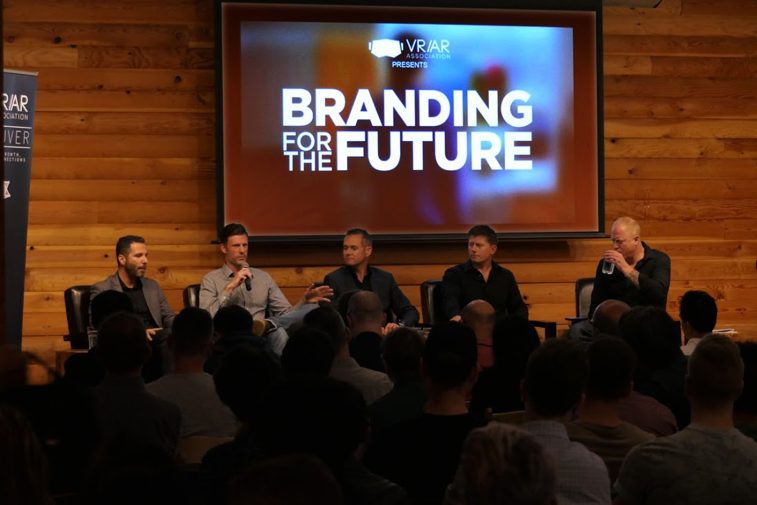
More than before (especially with Apple ARKit launch this year), we’ve heard business discuss more on how they are integrating immersive technology to enhance consumer engagement. We’re already seeing plenty of big players like GE, NASA, IKEA, BMW, Verizon and more getting a head start on VR/AR. Our event Branding For the Future hosted at Hootsuite HQ on September 28th was just about that. We had Alan Smithson, CEO of MetaVRse, and Mira Leung, lead in Google ARCore team, discuss how businesses can start strategizing now to get ahead of the game before the technology becomes mainstream.


Read our highlights and watch the keynote and panel discussion.
Last but not least, we wrapped up our year with Growing Innovation: Investment Opportunities for VR/AR on November 30th at BCIT Downtown Tech Hub. By 2020, VR/AR will be a $150billion industry and with Vancouver leading the charge, we wanted to start a discussion on how to venture into this rapidly developing ecosystem. We brought together VR/AR thought leader Tom Emrich from Super Ventures, along with expert panel fireside chat with notable investors and tech executives, and finish with a round of 10 lighting pitches from local VR/AR startups – something we’ve done for the first time!
A lot has happened in the VR/AR/MR industry globally in 2017. Here are some highlights from what’s happened right here in our city of Vancouver.
Vancouver’s first ever VR film festival (YVRFF) was a huge success with a sold out weekend.

Chapter President Dan Burgar represented the VR/AR tech sector with Archiact / VR AR Association at the United Nations Peacekeeping Conference.


Motive.io successfully won the contract of $482,000+ through the Government of Canada to bring Canada's history to Ottawa.

Microsoft President Brad Smith promoted Vancouver as a virtual reality 'supercluster.'

BC Tech launched The Cube, Canada's First Virtual, Augmented, and Mixed Reality Hub.

LNG Studios worked with Concord Pacific on their Brentwood development project and used virtual reality to showcase the new condos before any were built.

VRARA Vancouver would like to thank you all for being part of our community and making all this happen in 2017! We are working on many exciting ways to bring value to our members in 2018 so stay connected through our social channels and subscribe to our monthly newsletter. If you would have any suggestions or feedback, please contact Chapter President Dan Burgar at dan@thevrara.com.

Vancouver is the #1 VFX Global Cluster and a "Gold Mine" for VR AR
Reserve your spot for the VR/AR Global Summit taking place in Vancouver!
As one of the most creative cities in the world, Vancouver is home to thousands of world-leading Film, TV, VFX, Animation, and Video Game companies

When it comes to Digital Entertainment & Interactive (DE&I), these days the buzz is all Vancouver. Why? Because the city has the perfect ecosystem for harnessing digital potential — namely a strong artistic and creative workforce, thriving research and educational support, government incentives, an enviable location and more
Vancouver is recognized for its wide talent pool, proximity to other global creative hubs, solid industry infrastructure, competitive tax credits, and ability to attract and cultivate top tier talent.
So what is DE&I anyways? It is a term used to describe one collective, impactful industry that includes various screen-based sectors such as, Visual Effects (VFX) & Animation, Film & TV Production, Video Game Development, VR and other Interactive Media who rely on similar infrastructure, talent and technology to create quality content.
Notable highlights
- Vancouver’s DE&I industry includes close to 1,000 businesses. The industry generates more than 40,000 jobs in Vancouver, contributing billions in direct GDP to the city’s economy.
- Vancouver is the third largest Film & TV production centre in North America.
- Vancouver has one of the top Video Game clusters in the world — one that includes major publishers such as, Electronic Arts (EA), Microsoft, Capcom and Nintendo.
- Vancouver has the largest cluster of top VFX and Animation studios in the world, including Sony Pictures Imageworks,Industrial Light & Magic (ILM), MPC, Double Negative, DHX Media, Animal Logic and Bardel Entertainment.
- The city’s reputation as a DE&I powerhouse has made way for prestigious conferences to call Vancouver their host city. SIGGRAPH, the premiere international event on computer graphics and interactive techniques that attracts close to 15,000 attendees, held their conference here on two occasions (2011, 2014) and have confirmed they’ll be back for the 2018 edition.
- Homegrown conferences and festivals from the DE&I sector continue to emerge and gather impressive crowds year after year. The Vancouver International Film Festival (VIFF), SPARK FX, External Development Summit (XDS), and Canada’s largest VR conference, Vu are a few examples of local events that attract a global audience.
- With close proximity to Los Angeles and Silicon Valley, longstanding, stable and generous/competitive tax incentives, and a community that nurtures creativity, Vancouver makes the ideal locale for any DE&I project.
Competitive advantages
Being part of Vancouver’s Digital Entertainment & Interactive hub means:
Tapping into a home of creativity
Vancouver’s creative talent pool runs deep, cited by many Vancouver studios as one of the top reasons for doing business here. The city offers producers the ideal place to work: a friendly, networked community with an outstanding quality of life as well as access to homegrown and international talent.
Drawing on its educational institutions and industry know-how
Vancouver’s major post-secondary institutions are all engaged in the industry providing outstanding facilities, training and research that support the sector. An example of such a facility is the Centre for Digital Media (CDM). Jointly owned by the University of British Columbia (UBC), Simon Fraser University (SFU), British Columbia Institute of Technology (BCIT), and Emily Carr University of Art + Design, the Centre offers a unique Master’s degree that prepares digital media professionals with advanced skills and critical management training.
Belonging to the city’s digital districts
Vancouver, renowned for its unique blend of residential, commercial, arts and cultural space, is the perfect environment for DE&I — where science, technology and art meet. Most DE&I studios and facilities are located within one of the six digital districts- Gastown, Railtown, Yaletown, Mount Pleasant, Downtown and Kitsilano . Here, cross-collaboration and strategic relationships develop through the day to day activities of the tight knit community as well as through industry association events and social gatherings.
Capitalizing on its geographic benefits
Vancouver’s ideally situated near other key industry-related locales, namely the Los Angeles entertainment industry, the tech centres of Seattle and San Francisco, with strong markets for services in Asia.
Beyond these benefits, there’s also the live/work/play effect. Being able to do all three in Vancouver’s vibrant digital districts lends itself to a happier, more creative and more productive workforce. Less commute time means more time for work — and recreation to the city’s mountains, ocean, green space, fitness centres, yoga and more. It’s something we like to call the Vancouver lifestyle benefit.
- Vancouver Film & Media Centre
- Film & Television Production
- VFX & Animation
- Video Games & Interactive Media
- Virtual, Mixed, and Augmented Reality
- VFX & Animation Jobs
Industry Snapshot
- Vancouver’s DE&I industry includes close to 1,000 businesses.
Vancouver is the third largest Film & TV production centre in North America.
Vancouver has the largest cluster of the world’s top VFX and Animation studios
Vancouver has one of the top Video Game clusters in the world
The DE&I industry generates more than 40,000 jobs in Vancouver, contributing billions in direct GDP to the city’s economy
Competitive Advantages
Deep, highly creative, talent pool from Canada and overseas
Close proximity to Los Angeles and Silicon Valley
Longstanding, stable and highly competitive tax incentives
A stimulating and beautiful natural environment that inspires creativity
Research
Why Metro Vancouver has Become a World Leader in Virtual and Augmented Reality
Reserve your spot for the VR/AR Global Summit taking place in Vancouver!
As resident genius, gadgeteer, and early leader of superhero collective the Avengers, Tony Stark—or Iron Man, to his adversaries—is one of Marvel’s most powerful creations. Portrayed by Robert Downey Jr. in several big-budget Hollywood adaptations, the character has a rough-around-the-edges charm that pushes his team to conquer everything from nomadic warlords to open wormholes.
Despite Downey’s effortless charisma, though, it’s not Stark who captures audiences. It’s his suit.
The key to his armour is the helmet. The full-head protector allows Stark to look at his surroundings while it projects important information into his field of vision. Digital graphics let him view his suit’s condition, aim weapons, operate radar, and place himself on a map, all while transparently seeing the real-world around him.
To those acquainted with the rise of virtual and augmented reality—VR and AR—it’s a familiar idea. Stark’s headgear is a sophisticated augmented reality headset.
According to Bill Tam—former president of the B.C. Tech Association, a nonprofit that promotes the interests of the technology industry to provincial lawmakers—Iron Man’s visor, or at least glasses like it, will become commonplace in years to come.

“I’ve always been a big fan of Tony Stark, just in terms of the way that Marvel portrays how he manipulates information as Iron Man,” he tells the Straight with a laugh, on the line from his Vancouver office. “It seems very futuristic, but we’re already getting there. Augmented reality in particular, for me, is a powerful tool, because you don’t lose perspective on what’s going on in the world. Ultimately, we should be able to see information hanging in space, not just on two-dimensional screens. What excites me about it is how fast it’s developing.”
Even three years ago, virtual reality (a technology that displays an immersive, computer-generated world through a headset) and augmented reality (a medium that enhances the real world with digital graphics) were both very rudimentary concepts. Save for a brief appearance in the ’90s as cumbersome arcade games with choppy animations, VR was a kooky fantasy that belonged to futuristic flicks like The Lawnmower Man, and AR was as outlandish as flying cars or hoverboards.
The past few years, however, have spurred a renewed interest in the technology. Augmented reality was first to break into the mainstream with the ill-fated Google Glass: the slightly-too-large spectacles banned from casinos and movie theatres for their capability to record video surreptitiously. Next came Snapchat filters—a part of the app that lets individuals overlay graphics and distort their faces on their phones—and Pokémon GO, a game in which cartoon characters pop up on phone screens as players point their cameras at real-world locations. Now AR is intelligent enough that, by wearing a wireless headset, users can lock a three-dimensional hologram in space, and manipulate it by moving their fingers in the air.
Virtual reality was not far behind. Google Cardboard was released in 2014, which encouraged early adopters to put their phone in a small box and watch 3-D videos. Samsung’s Gear VR added controllers to the setup, but the biggest advances came two years later. Facebook-owned Oculus Rift, HTC Vive, and Sony PlayStation VR all launched computer- or console-based headsets capable of tracking a person’s movement in minute detail with mounted cameras. That technology created immersive and responsive worlds that are terrifyingly realistic.
With the technology a pipe dream no more, studies project that the virtual and augmented reality industry will be worth anything from $79 to $215 billion by 2021. More than any other Canadian region, Metro Vancouver is set to profit from that success.
“We definitely have a VR and AR hub here,” says Tam. “It’s still a very nascent technology, but we have unprecedented skills that have meant that we’ve really captured more than our fair share of the market already.
“We’ve asked ourselves some key questions over the past few years,” he continues. “What are some of the attributes that differentiate Vancouver and British Columbia from every other jurisdiction on the planet? Why have VR and AR caught fire here? The answer is that we have considerable expertise in combining creativity and technology.”
Metro Vancouver’s media-arts sector has been gathering momentum for more than 40 years. In 1977, the B.C. government established a film development office to promote the province to the Hollywood community. Now known colloquially as Hollywood North, the region is home to some of the largest special-effects stages in North America, and is recognized as a world leader in 3-D animation and visual effects. Interactive entertainment, too, is a big draw for international talent. Companies like gaming giant Electronic Arts—which created its EA Canada wing just outside of Vancouver in 1991—houses the world’s largest videogame test operation, and more than 100 independent gaming studios call the Lower Mainland home.
That creative foundation might be a great resource, but it’s a more esoteric aspect of Metro Vancouver’s history that makes its VR and AR industry versatile. Stacked with companies like Crystal Decisions—now a part of SAP—and branches of Microsoft and Amazon focused on data analytics, the Lower Mainland has an aptitude for record-keeping that offers a goldmine of information for up-and-coming businesses. Virtual and augmented reality can bring those files to life.
“British Columbia has always been very strong at collecting data—particularly industrial data,” Tam says. “We have a plethora of information that is tied to natural resources. There’s everything from satellite imaging to radar information to sensors that are gathering information from the Internet of Things. On top of that, there’s all the health data we have amassed—the MRI images, the CAT scans, and everything like it—over 30 years.
“There’s a treasure trove of data in the province, and what VR and AR helps to do is to turn it into useful information that can be accessed easily,” he continues. “As humans, we are naturally visual beings. These data sets are so voluminous they are currently almost impossible to navigate, and we need visualization to be able to understand them. VR and AR does that in unprecedented manners.”
The ways that local companies have reimagined that material is staggering. In 2016, for instance, Port Coquitlam studio Finger Food Studios developed a program for vehicle manufacturers to create trucks in augmented reality. Using the Microsoft HoloLens—an AR headset that was developed at the tech giant’s Vancouver office—the software lets users add, resize, and change parts of the 3-D model simply by moving their fingers in front of the glasses. Previously, vehicle design involved cutting a life-size model out of clay: a process which took six months. Finger Food’s technology slashes that time to three days.
Medical applications, too, are a big part of Metro Vancouver’s VR and AR expertise. Among other projects, UBC researchers last August unveiled the results of their partnership with the Microsoft Garage on the Holographic Brain Project. The app visualizes a human brain as a semi-transparent, 3-D object that floats in the air. Groups of viewers are able to see the hologram at the same time through their HoloLens headsets, and the technology allows students and doctors to walk around the brain, open up the structure with their fingers, and make notes on the MRI scans inside as a teaching tool.

The innovation bubbling across Metro Vancouver spurred Tam to act. Recognizing the wealth of potential offered by the Lower Mainland’s companies, the then B.C. Tech president spearheaded a push toward setting up an incubator for the region’s VR and AR businesses. It would be a place to nurture early-stage companies, and allow them access to the partnership-ready Cascadia Innovation Corridor: the swath of land that connects Metro Vancouver to goliaths Amazon and Microsoft in Seattle. The workspace was dubbed the Cube.
“B.C. Tech has always been committed to making our province the best place to grow a technology business,” he says. “We’ve supported developing companies for many years by providing acceleration, mentorship, and a whole range of services to connect aspiring entrepreneurs with the resources and coaching to help them to succeed. The Cube in many respects was an extension of that, but hyperfocused on augmented and virtual reality.”
Opened in October 2017 by dignitaries including minister of innovation, science and economic development Navdeep Bains, B.C. minister of jobs, trade and technology Bruce Ralston, Vancouver mayor Gregor Robertson, and director of Microsoft Vancouver Edoardo De Martin, the Cube was created so that startups can share new developments. Offering workshops and training from local education hubs such as BCIT, as well as speaker sessions on topics like how to raise capital, the Railtown workplace proved a breakout success. Within months, it had run out of desk space.
“I think the Cube tapped into a vein of passion for many,” Tam says. “It’s a place where people can experiment with development techniques, and help each other along the way. We have the benefit of being a small enough city to have a tight-knit, community feel, almost like a village, and yet be able to together create an industry that can compete on a world stage. It’s important for us to nurture that.”
The power of partnerships
In Tam’s view, Metro Vancouver’s strength in VR and AR is based on collaboration. While other tech sectors are notoriously aggressive and cutthroat, the Lower Mainland’s virtual- and augmented-reality ecosystem thrives on cross-pollination. Developments in the trade come fast, and homegrown businesses are constantly adapting to everything from new hardware releases to breakthroughs in 3-D coding. Understanding that Metro Vancouver’s ranking as a world leader is dependent on multiple companies succeeding, the local industry embraces cooperation.
But while Tam focuses on promoting collaboration within the region, industry thought leader Dan Burgar stretches that concept further. As president of the Vancouver chapter of the VR/AR Association—a worldwide organization that links companies working in virtual and augmented reality—Burgar believes that the Lower Mainland’s success comes from its ability to connect across international borders, and to network with companies outside of the tech sector. In both areas, the district is excelling.
“Vancouver is the model chapter of the VR/AR Association,” he tells the Straight on the line from his office, pointing out that his outlet includes members from across the Lower Mainland. “There are branches in countries as far-flung as New Zealand, Russia, and the UAE, but with our talent pool from the visual-effects and gaming sector, we’re the fastest growing division in the whole organization.
“Five years ago, VR and AR was nonexistent in the Lower Mainland,” he continues. “Even in 2015, there were probably just a handful of companies, maybe 10 to 15, working in the space. Now we have upward of 150. We’ve gained a lot of ideas from talking to other international chapters. Our proximity to San Francisco, Seattle, and Portland has been a driver for a lot of business-to-business enterprise development, and it’s only going to get bigger from here. I think 2018 is the year when Vancouver really spreads its wings.”
Growth in Vancouver’s division of the VR/AR Association is exploding partly because of Burgar’s vision. As well as welcoming VR and AR companies, the president reaches out to organizations that are set to be disrupted by the technology. Connecting with industries from fashion to fitness—both of which are being transformed by VR and AR apps—Vancouver’s chapter helps firms plan for the upcoming restructuring on their own terms. By linking local virtual- and augmented-reality companies with clients in their own region, business is booming.
But despite his efforts, many industries have yet to realize how VR and AR will transform their business models. Pitches and discussions can only go so far in describing the technology, and convincing companies to invest with just a portfolio of screenshots is no mean feat. To realize his goal of mainstream acceptance for virtual and augmented reality, Burgar believes it’s vital to put more executives in headsets.
“It can be really difficult to understand what the technology is without experiencing it yourself,” he says. “That was definitely the case for me. I was at a tech conference in Barcelona with a company I was working at. I saw that a booth actually had one of those strange VR headsets. I put it on, and it was this weird cooking and cleaning app. Suddenly it transformed this seemingly mundane task into something really fun, and I was completely immersed in this virtual world. As soon as I saw the technology, I knew it would change everything.”
With its strong connections between VR and AR developers and professionals in different sectors, Metro Vancouver has carved a niche in the business-to-business space. Advancements in firefighting techniques, architectural design, and visualizing oil pipelines are a few of the many ideas currently in development by local companies. Burgar believes that finding solutions with the potential to transform industries, like those demonstrated by Lower Mainland outfits, will drive VR and AR adoption by businesses around the globe.
“Imagine being in a foreign land where you don’t know the language,” he says. “It’s super tough to get around. Now imagine having AR glasses that can automatically translate all the words that you see. Or picture walking down the street, and having flashing arrows on the road showing you which direction to go. That’s becoming a reality. On the VR side, already companies like Walmart are using virtual reality to train their workers at home. Surgeons are operating on bodies in virtual theatres to give them the muscle memory to make incisions on real patients.
“We’re going to see a huge drive in education, training, and use by different industries,” he continues. “VR and AR are going to totally change the way we communicate in the next three or so years. We think that for the next one to three years, enterprise is going to drive the technology. As the prices drop, we’ll see consumer adoption follow. Vancouver is a leader in creating those solutions.”
Expertise in the business-to-business field
One of the industries where Metro Vancouver’s VR and AR companies are already excelling is the mining sector. A trade that relies on collecting data from huge archives—an area where the region shines—mining has already seen many multimillion-dollar firms use the technology to streamline their planning processes. By allowing those businesses to examine huge amounts of information visually, local companies like LlamaZOO and Finger Food offer the tools to simplify designing new mines.
Currently, much of the information used to draw up mine plans exists in different formats. Complex and unwieldy, the data is tough to read, particularly for upper-level executives and government officials who are often not trained to interpret files like technical CAD drawings or maps. In order to secure their permits, mine developers must lease the land from local authorities, and the challenge of understanding the information holds up an already slow process. Typically, it can take up to four years to get a site approved.
LlamaZOO, a leading VR and AR company with offices in both Vancouver and Victoria, has created software that can shave six months off that time.
“We have a program called MineLife VR,” Kevin Oke, cofounder and VP of sales for the company, tells the Straight in a downtown coffee shop. “It lets people visit a mine site in virtual reality. You can look at the area at its life size, and zoom in and out. You can easily compare historical, current, and future data for the site, including the locations of pits, drill holes, ore bodies, and infrastructure. The way that we’ve combined big 3-D data sets and geospatial information is really engaging and easy to access.
“Instead of physically flying people up to a site—which is terrible for a company’s carbon footprint, has major safety risks attached to it, involves big insurance costs, and needs careful scheduling—you just need to put on a VR headset,” he continues. “You can determine things like where you want the pit, what angle to position a ramp, and how wide to make a bench. We’ve got a collaboration feature, so you might be in Peru at the mine, and I might be in the Vancouver office, and we would virtually both be together at the site, at its one-to-one scale, totally immersed in it. By putting all the data in one place, and not having to send people to a physical location, you can save a lot of time and money.”

Oke created LlamaZOO with his business partner Charles Lavigne three-and-a-half years ago. Like many other founders of VR and AR companies, both came from the Lower Mainland’s thriving videogame industry, but wanted to work on something different. The pair saw how virtual reality was gathering momentum. Headsets were starting to be released, more capital was funnelling in from investors, and digital training was being prioritized by employers. It was, in Oke’s words, a perfect storm.
“Years ago, I wouldn’t have been interested in the enterprise side,” he says. “Your tastes change over time, though. Games are driven by popularity. You either have a hit or you don’t, and on platforms like mobile it very much depends on how much you spend on marketing. When you make a game, you can’t say it’s able to solve a problem or save somebody money, because it’s like candy. We didn’t want to make candy anymore. We wanted to make painkillers.”
Metro Vancouver is a fitting home for a company focused on natural resources. Gold, lead, zinc, silver, copper, and coal are all abundant in British Columbia, and the province has boasted a thriving mining industry since mid-1800s. For Oke, it was important to work with the region’s existing expertise.
“The first product LlamaZOO put out was software for training veterinary students,” he says. “The idea was always to branch out from there. When we started looking for what our next development was going to be, we turned to what’s in our back yard. We have really big data sets for the mining industry that have been gathered locally. Vancouver was a natural-resources town before it became a tech town, and that’s one of the cool things about what we’re doing—we’re merging the traditional B.C. economy with the new economy.”
A user views options to visit a mine site in virtual reality

LlamaZOO’s reach has extended far beyond the province, however. Currently working with some of the largest mining corporations internationally, the company is looking to break into markets across the globe. In Oke’s view, those opportunities would have been impossible without B.C.’s generous funding and grant initiatives for VR and AR companies.
In 2010, the province introduced the interactive digital media tax credit (IDMTC), a scheme that now hands back 17.5 percent of salaries and wages to virtual- and augmented-reality businesses. Six years later, it invested $100 million in venture capital for local tech companies. The federal government, too, provides aid to startups, offering to subsidize a portion of an organization’s costs under the industrial research assistance program (IRAP), and also pledges a sizable scientific research and experimental development (SR&ED) federal tax credit. That assistance has been instrumental in securing the Lower Mainland’s status as a VR and AR leader.
“Those schemes have been hugely helpful for us,” Oke says. “We need it to compete with the U.S. We don’t have as much venture capital as they do. We’re smaller in Canada, and there’s less money going around because the Canadian mindset is to be more conservative. The tax credits and funding doesn’t level the playing field totally, but it’s absolutely critical for us to compete. It makes B.C. a great place to start a company.”
The speed at which local VR and AR businesses are growing, though, comes at a price. One of the biggest problems facing the industry is finding local talent to meet the increasing demand. Although the B.C. government is funneling huge resources into leading tech and design programs for students at Vancouver institutions like UBC, BCIT, and Emily Carr University of Art and Design, virtual- and augmented-reality projects require specialized knowledge that is still in short supply.
Attracting global workers has since become a priority for Lower Mainland startups. Unsurprisingly, it’s an area in which Metro Vancouver excels. Regularly ranked as one of the top locations in the world to live, and with easy access to beaches, hiking, and snowsports, the region is a draw for many would-be employees. The high cost of living is offset by tech-sector workers typically making around 85 percent more than the average B.C. salary, and at a moment when the U.S. is tightening its borders, Canada’s Federal Skilled Worker program makes it easy for local VR and AR companies to hire internationally. As a result, companies like LlamaZOO scoop up top global talent.
“We’ve had employees from many different places,” Oke says with a laugh. “We have a really international team. Currently, our office has people from the U.K., Mexico, and Kenya. In the past, we’ve had individuals from Brazil, Bangladesh—all over. We make a point of taking the best people, no matter where they’re from.”
Building the future with top international talent
That's a strategy also employed by one of Metro Vancouver’s most well-known VR and AR companies, the multichannel business Archiact.
Growing from five employees working in a basement to a team of over 100 in a glittering downtown high-rise, the organization achieved its success by imagining many different ways to apply virtual and augmented reality. Producing everything from business-to-business applications to high-end games, Archiact’s work spans many platforms, and offers developers the chance to work in both VR and AR—often switching between the two in the same day. It was that fast-paced innovation that drew senior producer Ed Lago to the company.
“I worked in South America over the past 10 years on a range of different platforms—mobile, console, and others,” he tells the Straight by phone from Archiact’s office. “In the last few years before I came to Vancouver, I was working for Samsung in Brazil, doing games for AR and VR. One of them became a launch title for AR and VR for consumers in 2015. Some of the producers from Archiact found my work. We started a conversation around that time, and then they invited me to move here.
“Virtual and augmented reality are on another level in this city,” he continues. “In Brazil, we don’t have very much government help. It’s pretty much just a small group of people trying to survive. Here, there are a lot of different developers doing a lot of different things. It’s like another dimension.”
Top hardware designers such as HTC, Oculus, and Samsung are repeatedly looking to Metro Vancouver companies to create software for their platforms. Archiact is one of their first calls. The tech giants have consistently tapped the local company to create games and business programs to run on their gear, and to develop flagship apps for yet-to-be released headsets. Lago is at the head of one of those projects.
“We developed a game for Samsung’s Gear VR and Google Daydream called Hidden Fortune,” he says. “It’s a little bit like Harry Potter in a way, because you have to use your magic wand to solve puzzles and quests. It was a really successful title, and we achieved some great numbers.
“I was showing the game in September, and I was called to a meeting with the HTC team in San Francisco,” he continues. “They really liked it, and asked if we wanted to make a demo for their upcoming headset. That’s when the opportunity came to make something for the HTC Vive Focus. We were one of the first developers to see it.”
Currently, the top VR headsets are tethered to computers or consoles with wires. While users can experience free movement by carrying a PC in a backpack, it can still be cumbersome to transport the gear. The HTC Vive Focus is a stand-alone headset that carries all the computing power inside the hardware. Because it’s self-contained, users don’t need to add a smartphone or mainframe. That freedom allows wearers to walk, jump, and crawl around a large space, and opens up exciting possibilities for the future of VR.
“The first thing we did when we started developing the new Hidden Fortune was to put it on the Vive Focus headset, and start walking,” Lago says. “We walked the entire length of the studio, and it was amazing—we could just walk forever in the game. As well as that movement, we’ve made it so you need to crouch or reach over objects with the controllers to achieve your objectives. It’s an almost entirely new design, and we’ve had to change the name to Hidden Fortune: Unexplored to reflect that.”
A still from Hidden Fortune: Unexplored

The golden age of videogame development in Metro Vancouver began in the early ’90s. Local studio Distinctive Software was bought out by Electronic Arts, and the new company started producing blockbuster-budget AAA titles in the region, including the NHL, NBA, and FIFA franchises, along with snowboarding favourite SSX and shooter Medal of Honor: Heroes 2. Around the same time, a number of independent studios sprang up in the Lower Mainland. Companies like Next Level Games and Smoking Gun Interactive have moved into securing publishing deals, and many studios have successfully pivoted to mobile—a sector that generates much of the local industry’s multimillion-dollar annual revenue.
The emergence of VR and AR opened new doors to developers. Early adopters like SkyBox Labs—a company involved in translating the game Minecraft into virtual reality—and Fire-Point Interactive, who last month released their flagship title Tooth and Claw, were some of the first to work in the new medium. In all, the Lower Mainland currently boasts more than 30 companies creating games with the technology.
Given the region’s history of releasing award-winning titles, Lago is proud that a local company has been selected to create the next step in gaming technology.
“The HTC Vive Focus launched in China for the first time last week,” Lago says. “I can tell you that Hidden Fortune: Unexplored will be a flagship app. It’s one of the games—one of only 20, we think—to be released together with the headset. That’s a big deal for Archiact.
“I feel very lucky to be here in Vancouver working on VR and AR technology,” he continues. “There are a lot of reasons that make it such a good place to be. There are many VR developers here, and the companies who are putting themselves out there and being the most social are those who are successful. As well, the government is really supportive.
"Most of all, though," he concludes, "it’s just a really exciting place to create.”
Reserve your spot for the VR/AR Global Summit taking place in Vancouver
The VR/AR Association Welcomes Cathy Hackl To Advisory Board
NBC News named Hackl as one of the top Latina women working in Virtual Reality

NEW YORK, January 29, 2018, - The VR/AR Association (VRARA) is adding industry leader, Cathy Hackl, to its advisory board. Hackl, who works as a VR Evangelist in Atlanta for HTC VIVE, will be giving the Association insight and counsel as the VRARA continues its global expansion.
“As the VRARA continues to grow, we welcome Cathy, and appreciate her leadership in our industry as one of the most important women who are helping move our industry forward,” said Nathan Pettyjohn, VRARA Founder and President.
VRARA is the global industry association for VR, AR and MR, connecting leading solution providers with brands and customers with almost 4000 companies registered, over 50 Chapters, and 20 industry committees. VRARA programs and initiatives are designed to accelerate growth, knowledge, and connections.
Hackl is a renowned speaker, consultant and expert in the immersive industry. Before joining HTC VIVE, she worked as chief communications officer for Future Lighthouse, one of the world’s leading cinematic VR studios and was also selected as an Oculus Launchpad fellow in 2017. Hackl counseled UPS as a VR expert during the launch of their VR driving training program. She’s the co-author of Marketing New Realities: An Introduction to VR & AR Marketing, Branding & Communications. Prior to joining the VR/AR industry, Hackl, an Emmy nominated communicator, worked in marketing and public relations and with media outlets like CNN, ABC News and Discovery Communications.
For more information please visit www.thevrara.com
About The VR/AR Association
The VR/AR Association (VRARA) is an international organization designed to foster collaboration between innovative companies and people in the virtual reality and augmented reality ecosystem that accelerates growth, fosters research and education, helps develop industry standards, connects member organizations and promotes the services of member companies. VRARA has
MEDIA CONTACTS:
Kris Kolo, Global Executive Director
kris@thevrara.com

Enterprise AR is Going to ‘Get Real,’ and More Predictions for 2018

Join our Enterprise Committee
Google, Amazon, Facebook, Apple, Samsung and Microsoft all want a piece of the VR/AR pie – not to mention Magic Leap, whose first consumer product is “coming soon.” VR/AR is about extension, engagement and monetization. Not since the 1980s have all the big tech players been battling for consumer attention and dollars. So, what is on deck in 2018, and why should we care?
These are the trends highlighted by ARtillry Intelligence for 2018:
Enterprise pulls ahead
Enterprise AR is going to get real in 2018, with companies capitalizing on ROI in both efficiencies and error reduction. Think processes, and how interdisciplinary teams can work better together.
Mobile AR rebounds
Mobile AR is set for big wins in 2018! With everybody owning better and higher-resolution phones, the adoption of mobile AR is a natural evolution. AR app revenue is due to increase because companies will start creating AR apps to sell their products and further extend and engage their customers.
Mobile AR standards develop
With both Google and Apple introducing AR offerings into their lineups, coupled with increased demand from retailers, native AR and AR-first mobile app experiences will rule 2018. As a result, AR standards are set to be solidified this year. User experience will be top-of-mind for product managers.
Consumer VR gets a jolt
With Oculus Go set to release in mid-2018 and reportedly to be sold at $199, consumers will happily buy in to provide a jump in the VR market.
Unifying technologies emerge
As platforms and fragmentation continue to evolve, consumers and enterprises alike will look to tech that provides seamless execution. Enter WebVR/AR. In addition, expect to see more tools for developers and options for enterprises.
Ultimately, it will be a race to 100 million VR/AR units sold. According to ARtillry Intelligence, “That’s the size of the installed base that will be a key milestone and turning point for VR. It’s the number that attracts content creators and supporting functions, as well as a network effect.”
What is the unit price that drives the market? $200-$400. How many years until VR/AR reaches the magic 100-million mark? Three years.
We already know that games with in-app purchase business models are proven revenue generators. So, companies in 2018 will try to tap into ROI success experiences and experiment with location-based promotions and sponsorships. Overall, with investment dollars continuing to flow, the market is not slowing down.
The year 2018 will bring more strategic investment, business development and spend in VR/AR. Some unicorns should expect to see their rainbows narrowed – but more established businesses will begin to taste the ROI of user-based VR/AR experiences.
Published by ISACA News
This Tuesday, attend our all-star online panel on Haptics in Location Based Entertainment Jan 23 3pm EST
The VR/AR Association LBE Committee is proud to present an all-star online panel on Haptics in Location Based Entertainment from 3PM-5PM EST Tuesday 23rd of January 2018. Attend for free by registering here
The sensation of Touch, or Haptics, is being experimented with widely across LBE businesses to make the experience more real and memorable. By adding features like Haptics, users engage with content in new ways, transporting them deeper into levels of immersion unavailable to home users.
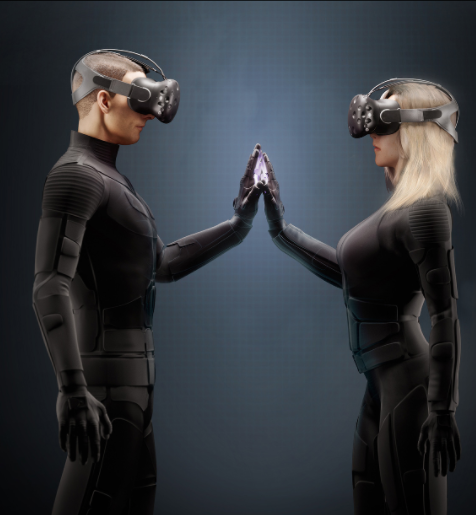
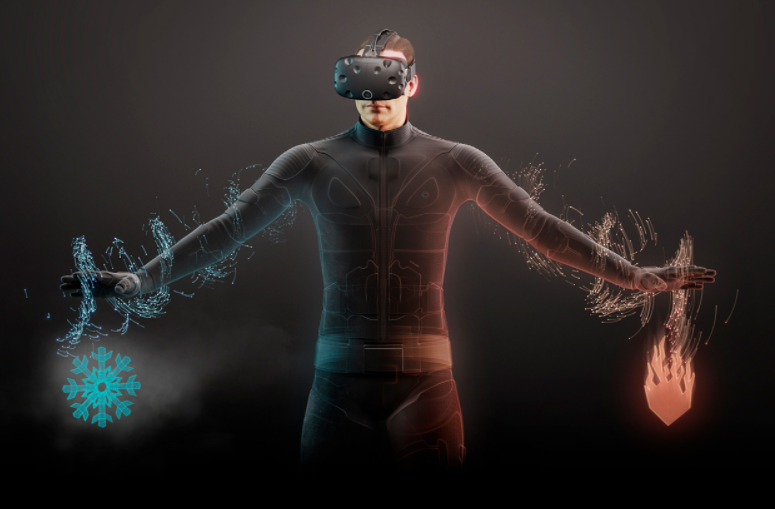
At first, haptic feedback was limited to vibrating chairs and floors, and then soon after, hand-held peripherals entered with plastic guns that recoil when fired and haptic sticks that react like lit torches or baseball bats when used. New entrants into the Haptic Market are going all in, with full-body haptic suits, promising realistic touch sensations from head-to-toe, no matter what virtual world you inhabit. New haptic capabilities are being implemented into the walls of LBE Arcades and Amusement Parks, such as ultrasound speakers that broadcast touch to bare skin; like surround sound, this approach offers a wide range of sensations, at a distance, without needing to wear or hold anything.
The LBE World is evolving quickly, with haptics being a reliable, powerful way to bring content to new levels. Each person uses touch, to validate that the objects we see are real; in virtual reality, haptics bridge and blend the virtual and real into a seamless, meaningful experience.
Please join the VRARA LBE Haptics Panel for a lively discussion with our Haptics experts:
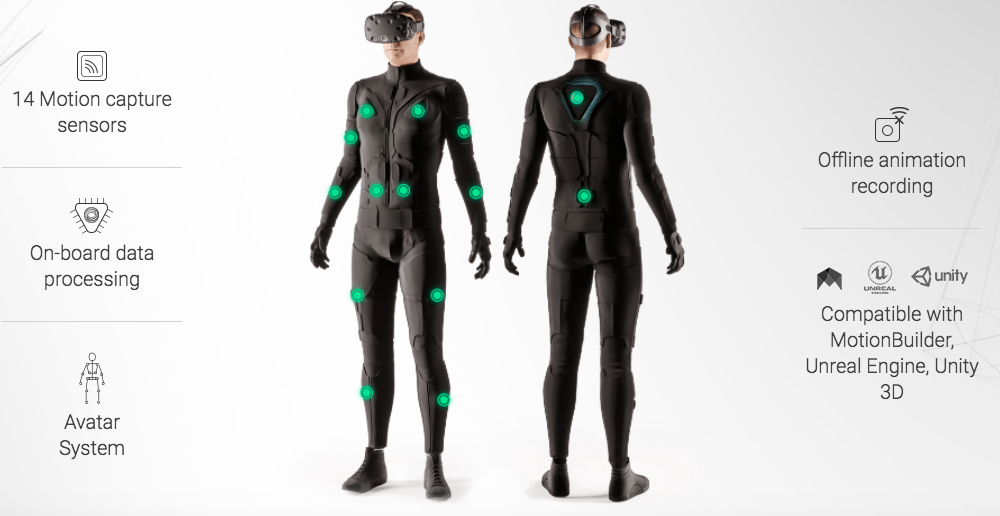
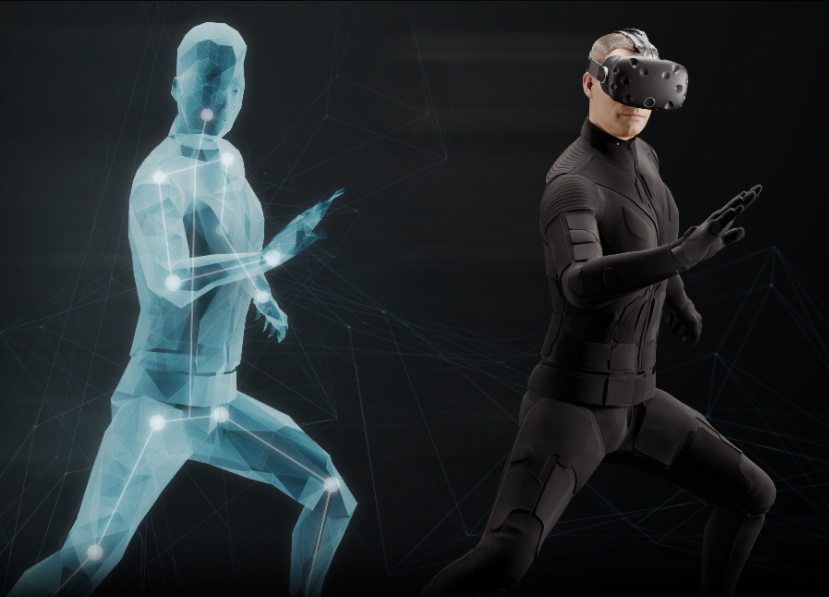
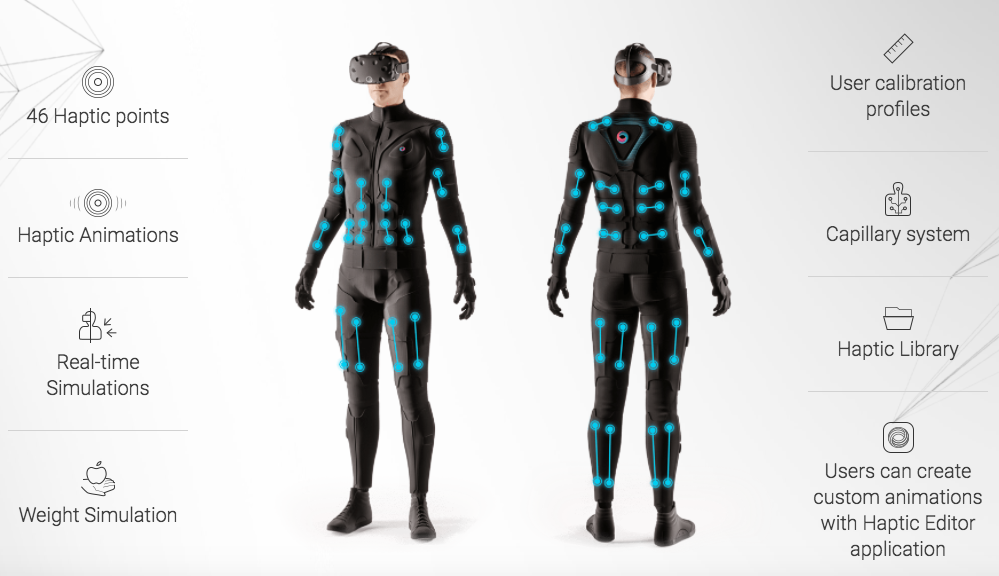
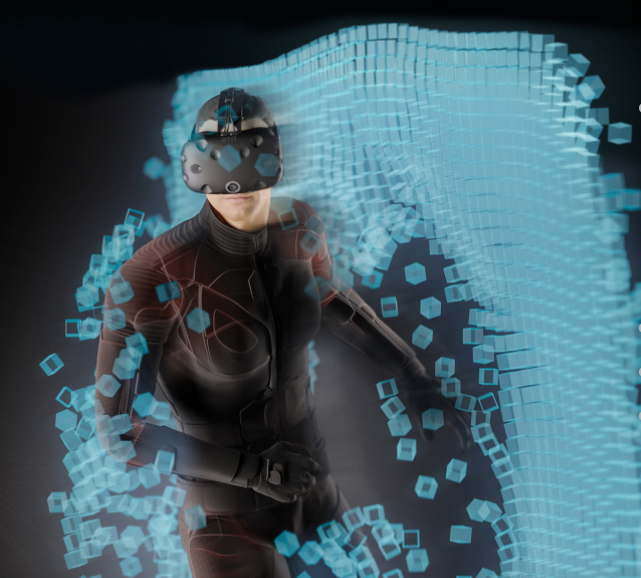
Dimitri Mikhalchuk, CEO of Teslasuit, bringing a leading full-body tactile haptic suit with motion capture and climate control for virtual reality;
Robin Alter, VP Strategic Partnerships at Ultrahaptics, the company offering midair, haptics using ultrasound;
Martin Holly from Striker VR, which combines a revolutionary haptic engine, the Arena Infinity™), with VR Peripherals to deliver powerful and precise tactile feedback.
Stafford Michahial from Kaaya Tech which develops the HoloSuit, a Full Body Analytics Wearable Platform with motion tracking and other features for VR LBE worlds.
And moderated by Kevin Williams with KWP, a leading consultancy in the emergence of the new entertainment market and prolific writer including his own news service The Stinger Report





Apply now! Due date is Jan 26th for the PSCR NIST First Responder VR Heads-up-display Navigation Challenge
The submissions of the prize challenge are due to us on Jan 26th

The Public Safety Communications Research (PSCR) Program of the National Institute for Standards & Technology (NIST) is conducting The First Responder Virtual Reality Heads-up-display Navigation Challenge. This concept and design challenge is open to academia, solvers and developers across the country and will award cash prizes up to $125,000 to the Top challenge participants who submit virtual reality heads up displays for First Responders to be evaluated in a series of navigation challenges.
Join this exciting VR (virtual reality) competition using your software coding, UI (use interface) and VR expertise for a concept heads-up display (HUD). Use VR/HUDtechnology to help America’s first responders! You’ll showcase your VR skills as a finalist at the 2018 PSCR Stakeholder conference with paid travel, speaking engagements and networking with 500+ attendees! NO entry fee! Go to challenge.gov for details about “The First Responder Virtual Reality Heads-up-display Navigation Challenge” and ENTER TODAY or by January 26, 2018.
Challenge Details
Create HUD concept with Location-Based Services (LBS) capabilities in a VR environment
Join us for this exciting VR (virtual reality) prize competition using your ingenuity, software coding and VR expertise to create a concept for a heads-up display (HUD) with unimpeded visual aids. The result of the First Responder Virtual Reality (VR) Heads-up-Display (HUD) Navigation Challenge will support the public safety community and its stakeholders.
You (the contestant) will showcase your VR skills and create a solution that helps advance User Interface (UI) technology through research. UI is “the means by which a user and a technology system interact; including how users input, access, and navigate data and communications through the technology.” Examples of UIs are haptic feedback mechanisms (e.g., sound, vibration), vocal commands, and visual indicators (e.g., heads-up displays). Historically, UI design has been broad and rarely targeted for Public Safety however, it’s critical that first responders complete their tasks efficiently and effectively with minimum impediment.
NIST Public Safety Communications Research Program is hosting this 4-stage challenge, with prize awards up to $125,000 (prizes plus travel) for the top 7 designs. In addition to the cash prize, finalists will have speaking engagements, networking opportunities, and paid travel to the 2018 PSCR Stakeholder conference. There are no fees or qualifications to enter the first stage. The Stage 1 winning ideas will be eligible for remaining stages of the competition. (see Official Rules)
You can make a difference! Continue reading for contest stages and details, and enter by January 26, 2018, on Challenge.gov (click on submit tab).
PROGRAM EMAIL
For questions about Challenge or Official Rules, contact PSprizes@nist.gov.
SUMMARY OF IMPORTANT DATES
STAGE 1: CONCEPT PAPER CONTEST (open 1/2/17 – close 1/26/18)
STAGE 2: WORKING CONCEPT AND HUD PROTOTYPE (open 2/5/18 – close 3/9/18)
STAGE 3: HUD PROTOTYPE TEST & EVALUATION ROUND 1 (open 3/19/18 – close 5/11/18)
STAGE 4: HUD PROTOTYPE TEST & EVALUATION ROUND 2 (open 6/4/18 – close 6/9/18)
SUMMARY OF CONTESTS
The following is only a summary of each contest. For more information please review the full details of each contest terms and conditions as provided throughout this document.
STAGE 1: Concept Paper Contest
The Concept Paper Contest invites all eligible contestants to complete a concept paper outlining their knowledge, skills, capabilities and approach for this challenge. The contest will be divided into two groups; concepts for Firefighters and concepts for Law Enforcement. Contestants’ concept papers will be reviewed by a panel of subject matter experts and judges to select those contestants to be invited to the challenge kickoff webinar. Contestants selected by the judge panel will be eligible to move forward to the Working Concept and HUD Prototype contest.
STAGE 2: Working Concept and HUD Prototype
The Working Concept and HUD Prototype contest will be open to up to 30 invited contestants. Contestants will bring their concept to life by creating the software code for compliance testing, based on a Vive Unreal VR environment, and evaluation of general usability and functionality. Contestants can create their working concept HUD prototype in any compliant environment. Based on the compliance testing and functional evaluation, up to 16 contestants will be invited to participate in the next contest, HUD Prototype Test & Evaluation Round 1.
STAGE 3: HUD Prototype Test & Evaluation Round 1
PSCR will provide up to 16 contestants with a fully functional VR environment, scenario details (i.e., Law Enforcement Hostage and Fire Fighter Earthquake) and operational parameters for fire (i.e., Oxygen levels, temperatures, victim location, hazard locations) and law enforcement scenarios (i.e., hostage location, partner location, threat location, time-based hazard) to contestants for interactive testing and evaluation of their initial HUD prototype. Each contestant’s HUD prototype must meet UI/UX and functional navigation elements, for example, oxygen/time-based hazard and temperature for fire. The contestants are encouraged to collaborate with mentors and advisors and complete a series of interactive tests and evaluations to improve their prototype. Up to 10 contestants will be invited to the HUD Prototype Test & Evaluation Round 2 contest. Contestants invited will receive travel funding to attend the June 2018 PSCR Stakeholders Meeting, up to $4,000 per contestant or team, and compete in the final contest of the challenge.
STAGE 4: HUD Prototype Test & Evaluation Round 2
Contestants will complete a series of live demonstrations using their HUD prototype in NIST PSCR’s virtual reality environment at the June 2018 PSCR Stakeholders Meeting. Each contestant will have the opportunity to attend the meeting, interact with over 500 meeting contestants who represent all segments of the Public Safety community, and compete for up to seven (7) cash prizes. HUD prototypes will be tested and evaluated by the NIST PSCR Judge panel for final awards (1st Place $25,000; 2nd $20,000; 3rd $15,000; 4th $10,000; 5th $7,500; 6th $5,000; 7th $2,500).
Judging Criteria
Stage 1 Criterion 1: Strategic Alignment & Technical Outcome - 50%
This criterion involves consideration of the following factors:
Strategic Alignment – The extent to which the proposed approach meets the objectives listed in the goals of the challenge; the responsiveness to the firefighter and law enforcement scenarios; the likelihood that successful implementation of the proposed solution will have a significant real-world impact.
Technical Outcome – Extent to which the proposed approach will result in significant improvement in commercially available technology and will potentially result in a technical outcome which enables considerable progress toward the challenge goals.
Stage 1 Criterion 2: Feasibility & Team - 50%
This criterion involves consideration of the following factors:
Team – The extent to which the capability of the contestant(s) can address all aspects of the proposed project with a high chance of success, including, but not limited to, qualifications, relevant expertise, and time commitment of the contestants. Reviewers will evaluate: (a) The relevance of the qualifications and experience of the key staff, leadership, and technical experts. (b) The extent of the applicants’ prior experience and the quality of the results achieved in leading programs similar in nature to the purpose, scope, etc.
Plan – Contestant(s) plan to manage the limited schedule, resources, project risks and other challenges, and produce high quality project outcomes, in pursuit of the challenge goals.
* SEE Official Rules for judging criteria associated with all other Stages of the contest
How to Enter
- Visit Challenge.gov, review the series of contests in The First Responder VR HUD Navigation Challenge.
- Complete the submission requirements for the Concept Paper Contest, submit the required concept paper and summary slide, and, as an option, include sketches or mock-up video with your entry as a registered contestant via Challenge.gov by the required date.
- Additional information on how to complete a contestant entry is available at: https://www.challenge.gov/how-it-works/
- Contestants may only complete a concept paper for either the Firefighter or the Law Enforcement group within the Concept Paper contest.
- One entry per qualified contestant.

The VR/AR Global Summit to take place in Vancouver in Sept, hosted by the VR/AR Association

Vancouver, British Columbia, Canada, Jan 16, 2018 - Today the VR/AR Association (VRARA) announced their first annual Global Summit, to be held in Vancouver Canada in September 2018. The VR/AR Global Summit brings together world leaders in the space of VR/AR/MR to discuss the present and future of immersive technologies.
The VR/AR Global Summit will take place from Sept 21-22, 2018 at the newly launched Parq Vancouver, a casino and entertainment complex in Vancouver Canada. The event will feature dynamic keynotes, industry tracks, workshops, creative hubs, demos, exhibits, breakouts and amazing VIP events. It will showcase the best that the industry has to offer.
“The VR/AR Global Summit continues the mission of the VR/AR Association of facilitating growth, knowledge and connections across the globe, and across industry verticals for virtual reality, augmented reality and mixed reality. The growing VRARA member base and thousands of registered companies have been asking for this type of interactive and innovative conference,” said Nathan Pettyjohn, Founder and President of the VR/AR Association.
Vancouver is one of the most vibrant Chapters of the Association, and a hub for tech innovation; It’s the #1 Startup Ecosystem in Canada and #15 Startup Ecosystem Globally. With its strong history in film, gaming and VFX (it’s a #1 Global VFX & Animation Cluster), Vancouver's VR/AR/MR scene is on a trajectory to rival other world class tech hubs. Vancouver boasts amazing talent in the VR/AR/MR space across the verticals. It’s the #2 Best City for Asia Pacific Business.
“VR/AR Global Summit is designed to bring together both industry leading solution providers as well as the brands and companies looking to deploy these types of technologies to improve and enhance their business. In addition to enterprise, we also have an exciting gaming and entertainment program at Global Summit“ says Kris Kolo, Global Executive Director, VRARA.
Vancouver is consistently voted as one of the world's Most Liveable cities, it’s rich with natural beauty, surrounded by ocean, mountains and rainforest. It is easily accessible by flight - only 2.5 hours from San Francisco.
“Vancouver is a global hub for immersive technologies that boasts over 160 companies working directly in the VR/AR/MR space, plus is a dynamic part of Cascadia, that encompasses the Vancouver, Seattle, and Portland communities. I am very excited to work with such an amazing organization as the VRARA to produce this event. This will be the largest, and best show of its kind in Canada,” says Anne-Marie Enns, Executive Producer of the VR/AR Global Summit.
The VR/AR Global Summit fills an opportunity to continue the momentum of the CVR/Vu conference formerly held in Vancouver. “Archiact started CVR in 2016, and recently rebranded to Vu: Defy Reality. We had a big vision for CVR/Vu and we knew its mission was broader and grander than Archiact. Now the event has reached this point, and we are happy to hand it off to VRARA, who have renamed it VR/AR Global Summit. We know that the VRARA can take it to the next level, which is bringing together people who are passionate about VR & AR, and accelerating global adoption across many business sectors. Best of luck to the VR/AR Global Summit in 2018 and all the coming years!”, says Derek Chen, President of Archiact.
The VR/AR Global Summit will take place September 21-22, 2018 in Vancouver Canada.
For press inquiries or for more information please visit the website at http://www.thevrara.com/vr-ar-global-summit
Contact:
VRARA
Kris Kolo, Global Executive Director
kris@thevrara.com
VR/AR Global Summit
Anne-Marie Enns, Executive Producer
am@thevrara.com
1-604-313-3831
About the VR/AR Association (VRARA)
The VRARA is an international is an international organization designed to foster collaboration between innovative companies and people in the VR and AR ecosystem that accelerates growth, fosters research and education, helps develop industry standards, connects member organizations and promotes the services of member companies. VRARA has over 4,000 companies registered, over 50 chapters globally, and 20 industry committees.
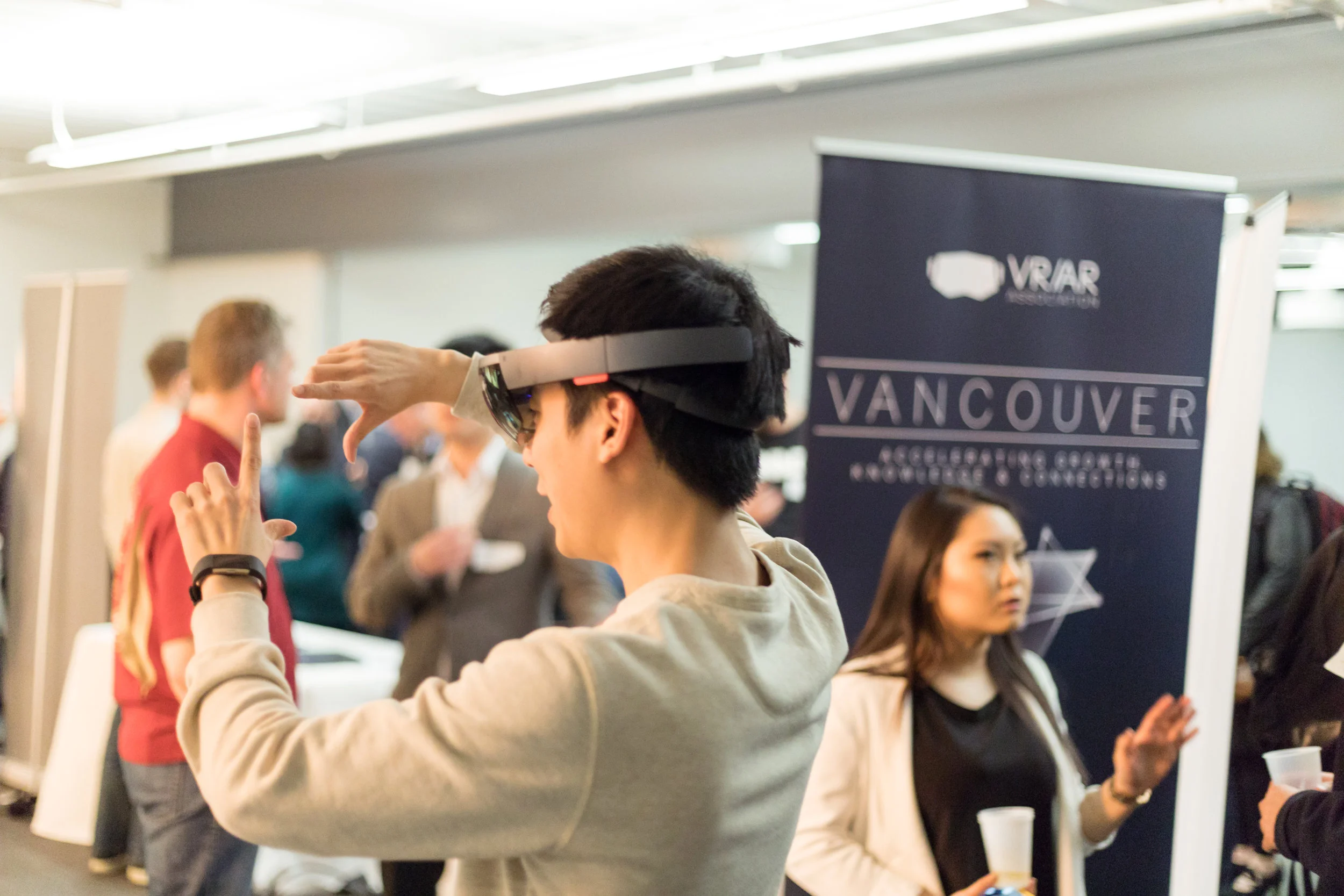
Why 2018 is going to be the year of VR/AR in Vancouver
DailyHive Vancouver Article - By Vancouver Chapter President Dan Burgar

Vancouver’s technology sector has grown leaps and bounds over the past decade and today stands toe-to-toe with legendary centres of innovation like Silicon Valley and Seattle. In short, we’re on the cusp of a VR/AR explosion, and Vancouver is a major player.
In fact, BC is Canada’s leading tech hub with the fastest growing technology sector in the country, which employs upwards of 150,000 people.
This development is thanks in large part to the rise of virtual reality (VR) and augmented reality (AR). So far, VR/AR enterprise has created 17,000 jobs and driven more than $2.3-billion in revenue for the province.
And the industry is showing no signs of slowing down anytime soon.
An influx of corporate investment, international attention, and a focus on education promise to make 2018 the most exciting year yet for VR/AR in Vancouver.

Overstock.com Garners Global Attention from VR/AR Association for its AR Shopping App
Amit Goyal, Overstock.com’s SVP of software engineering, chairs VRARA’s global retail and e-commerce committee and forms the Association’s Utah chapter

SALT LAKE CITY, Jan. 09, 2018 (GLOBE NEWSWIRE) -- Months after Overstock.com, Inc.(NASDAQ:OSTK) announced the launch of its augmented reality (AR) feature within its iOS shopping app, the organization’s senior vice president of software engineering, Amit Goyal, was named as the chair to VR/AR Association (VRARA)’s global Retail and E-commerce Committee. Along with Goyal’s responsibility as chair, he will serve as president of the newly formed Utah Chapter, growing VRARA to 51 global chapters, 19 of which are located in the U.S.
“We’re thrilled to have Amit Goyal join VRARA and chair our retail and eCommerce committee,” said Kris Kolo, Global Executive Director of the VR/AR Association. “His retail industry expertise and insight from building Overstock’s shopping app and AR function marks a crucial addition to VRARA’s growth.”
The award-winning iOS shopping app allows shoppers to view how products, like furniture, rugs, décor and other home goods, fit in their home using a smart phone or tablet with iOS11. With true-to-life-size 3D models in the highest resolution, shoppers have an accurate representation of the product directly in their home or office.
“Augmented reality is changing the way people shop,” said Goyal. “At Overstock, we focus on price, assortment and convenience, and our augmented reality feature brings an innovative convenience to shoppers. It’s important for our customers to see how these products will fit with their décor or simply if it will fit in their living rooms. So, we have invested significant resources to insure we are at the leading edge of AR and we’re proud to bring what we’ve learned and achieved to VRARA.”
Comprised of almost 4,000 companies, VRARA is an international organization designed to foster collaboration between innovative companies and people in the virtual reality and augmented reality ecosystem that accelerates growth, fosters research and education, helps develop industry standards, connects member organizations and promotes the services of member companies.
The new AR app feature is currently available on the iOS version of the retailer’s shopping app, and utilizes Apple’s ARKit, which was included in the iOS 11 operating system update. Android app AR functionality featuring Google’s new ARCore technology will follow when that operating system is released.
Overstock’s highly-rated shopping app has been awarded five consecutive Mobile App Awards from the Mobile Web Association. The app is available for download from both the App Store and Google Play.
The VR/AR Association is hosting the biggest VR AR online event from January 16 to 29, 2018 with more than 65 speakers, 3000 RSVPs and 10 symposiums focused on education, enterprise, storytelling, retail, AEC, marketing, advertising, webVR and arcades/LBE/Haptics. You can hear from Goyal on January 18 on VR and AR in retail. For more information on the conference, visit www.thevrara.com/events
About Overstock.com
Overstock.com, Inc. Common Shares (NASDAQ:OSTK) / Series A Preferred (Medici Ventures’ tZERO platform: OSTKP) / Series B Preferred (OTCQX:OSTBP) is an online retailer based in Salt Lake City, Utah that sells a broad range of products at low prices, including furniture, décor, rugs, bedding, and home improvement. In addition to home goods, Overstock.com offers a variety of products including jewelry, electronics, apparel, and more, as well as a marketplace providing customers access to hundreds of thousands of products from third-party sellers. Additional stores include Pet Adoptions and Worldstock.com dedicated to selling artisan-crafted products from around the world. Forbes ranked Overstock in its list of the Top 100 Most Trustworthy Companies in 2014. Overstock regularly posts information about the company and other related matters under Investor Relations on its website, http://www.overstock.com.
O, Overstock.com, O.com, Club O, Main Street Revolution, and Worldstock are registered trademarks of Overstock.com, Inc. O.biz and Space Shift are also trademarks of Overstock.com, Inc. Other service marks, trademarks and trade names which may be referred to herein are the property of their respective owners.
This press release contains certain forward-looking statements within the meaning of Section 27A of the Securities Act of 1933 and Section 21E of the Securities Exchange Act of 1934. Such forward-looking statements include all statements other than statements of historical fact. Additional information regarding factors that could materially affect results and the accuracy of the forward-looking statements contained herein may be found in the Company's Form 10-Q for the quarter ended September 30, 2017, which was filed with the SEC on November 8, 2017, and any subsequent filings with the SEC.
Media Contact:
pr@overstock.com
Kris Kolo, VRAR Association (VRARA)
kris@thevrara.com
Investor Contact:
ir@overstock.com
SOURCE: Overstock.com, Inc.
Bay Area: Join Us at Venture Summit West
Register Here for Early Bird (50% off). VRARA Members, Contact Us for Additional Discount.

The VR/AR Association, San Francisco Chapter has partnered with the Venture Summit West, March 13-14 in Santa Clara, Ca.. That means discounts for VRARA members, among other things (contact us for code).
More from the conference organizers:
The 6th annual Venture Summit West, presented by youngStartup Ventures, is the premier industry gathering connecting venture capitalists, corporate VCs, angel investors, technology transfer professionals, senior executives of early stage and emerging growth companies, university researchers, incubators and premier service providers.
Whether you are an investor seeking access to new early stage deals, or a CEO or Founder of a new venture looking for funding, visibility and growth, Venture Summit West is one event you won’t want to miss.
Register now 50% reduced early bird rates. VRARA members, contact us for additional discount.

Bay Area: Come Learn ARkit (1/20 - 1/21)
Find out more details and register here. VRARA members, contact us for member pricing.
Augmented Reality is here and will change the world - come build the future! If you played Pokémon Go, you’ve seen Augmented Reality, but there is so much more. With mobile platforms now supporting Augmented Reality (e.g. Apples ARkit, Google’s ARCore) and AR content platforms rising, this is the time to learn about AR and how to use it.
If you want to use AR technology, but are not sure how, this is your opportunity – we want to enable you to dive in and develop in AR so that you can use AR for your company and yourself, regardless of skill level or background. Come spend the weekend with us learning how to build Augmented Reality apps.
This 2-Day Weekend Workshop includes:
- Developing a fully working Augmented Reality app (using ARKit & Unity) in a weekend Quality training in AR from leading developers with extensive teaching experience
- Help on how to take this new knowledge forward so you can develop on your own
- An understanding of the AR/VR/MR landscape and how it is developing
- A new network of people who share your passions
Find out more details and register here. VRARA members, contact us for member pricing.

Job Ad: Professor of Virtual/Augmented Reality and other Emerging Media Technologies

Department: Cinema and Television Arts
Faculty Hire Number: 18-46
Effective Date of Appointment: August 22, 2018
Rank: Assistant or Associate Professor, Full-time, Tenure-track
Salary: Dependent upon qualifications
Description:
The Department of Cinema and Television Arts has an open faculty position for a tenure-track Assistant or Associate Professor in the area of virtual/augmented reality and other emerging media technologies. We seek a skilled media artist with expertise in interactive storytelling and a record of a strong creative practice to contribute to the vision, development, and growth of the Multimedia Option.
Candidates should be active in their field, with a strong record of professional achievement. Candidates should also have an expansive and deep knowledge and proficiency in the techniques, practices, histories and theories of media art. Additional areas of expertise may include 360 video, game design production and other interactive media.
Qualifications for hiring at the rank of Assistant or Associate Professor:
Terminal degree (M.F.A. or Ph.D.) from an accredited institution required.
Demonstrated successful teaching experience at the university or college level required.
Hiring at the rank of Associate Professor would require the academic experience and creative achievements appropriate to that rank.
A commitment to excellence in teaching, research and creative activity required.
Demonstrated experience and commitment to effectively teach, work and mentor students from diverse backgrounds required.
Evidence of a strong record of professional achievement required.
Creative activity and expertise in one or more of the following areas are required:
virtual/augmented reality, 360 video, interactive storytelling, and/or game design.
Willingness to participate in the university’s commitment to obtaining research and creative activity support from federal, state, corporate, and foundation sponsored programs desired.
At time of appointment, the successful candidate, if not a U.S. citizen, must have authorization from the Bureau of Citizenship and Immigration Services to work in the United States.
Responsibilities:
Active participation in the development and growth of the Multimedia Option. Teaching introductory and upper-level courses in the Multimedia Option. Conduct and disseminate discipline-specific research and/or creative work. Advise students, develop curriculum and participate in faculty governance. For purposes of reappointment, tenure and promotion, emphasis will be placed on teaching effectiveness, scholarly and/or creative achievement, and service to the University and community. Teaching may be assigned in a second area of expertise appropriate to the qualifications of the candidate, including courses in the General Education Curriculum.
Application Deadline:
Screening of applications will begin January 31, 2018. Priority will be given to applicants who meet the screening deadline; however, the position will remain open until filled.
Applicants should submit a letter of application, curriculum vitae, and three current letters of recommendation to the address below. In later phases of the search process, applicants may be requested to provide verification of terminal degrees, licenses and certificates, a portfolio of creative/scholarly works, and a written statement addressing how your approach to teaching includes diversity.
This institution is using Interfolio’s ByCommittee to conduct this search. Applicants to this position receive a free Dossier account and can send all application materials, including confidential letters of recommendation, free of charge to: https://apply.interfolio.com/47656
XR: What Did We Learn in 2017? What's In Store For 2018?
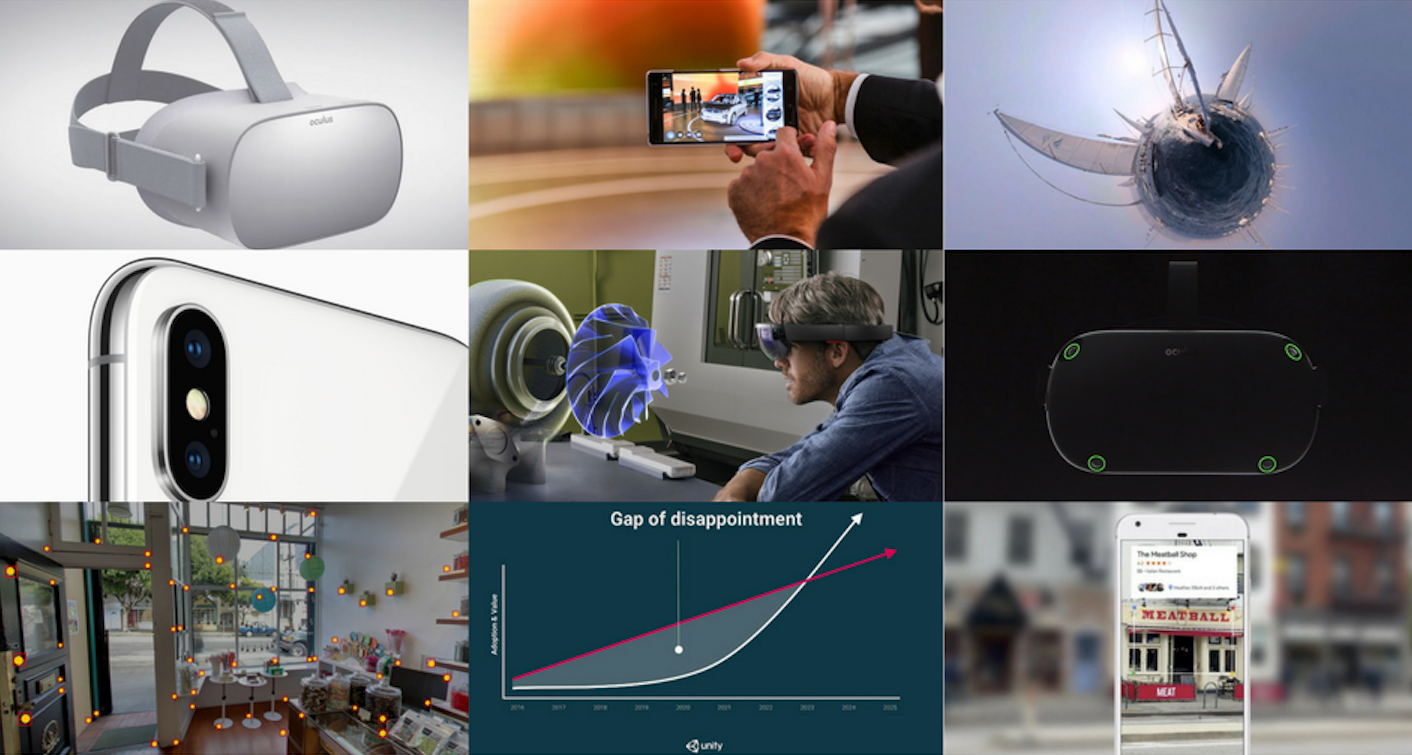
2017 was quite a year for AR & VR (a.k.a. XR). As is often the case with emerging technology, XR’s early days have included lots of excitement. This year kicked off as such, continuing from 2016. But excitement levels began to recede in mid-2017 as several market signals emerged.
So the question is: Where are we now with AR & VR, and what can we expect in 2018? Drawing from ARtillry’s XR coverage and market sizing over the past two years, we have ventured to answer this question.
As a historical comparison, e-commerce was heralded in the early 2000’s dot-com bubble. But the market sizing and exuberance at the time wasn’t overblown: In fact it underestimated eventual revenues. It was just a bit early.
ARtillry Intelligence believes that has parallels – though a different timeline – to where we now sit with XR. Massive opportunity exists but expectations should be adjusted about its timing. This can help inform go-to-market strategies and operational execution for XR players.
But how and when will it all come together? What are the top factors and trends to examine? What are key drivers for interlocking pieces in the XR universe (AR, VR and enterprise and consumer segments of each)? And what does it all mean for where you sit?
We’ll take a look back at 2017 to extract measurable lessons, and predict XR’s direction in 2018. It’s all about zeroing in on the pockets of greatest opportunity, and -- as always -- timing. Spoiler alert: there will be real revenue and value creation in 2018, but they’ll require strategic precision.
Preview: 2018 Predictions
1. Enterprise AR Pulls Ahead: Enterprise AR will pull ahead of Consumer VR as the leading XR sub-sector (consumer VR held that leading position in 2017), reaching revenue of $10 billion. The biggest adopters in 2018 will be manufacturing and assembly, which have the clearest ROI potential for enterprise AR. The biggest challenge will be organizational red tape and sales cycles. So the name of the game will be quantifying ROI, demonstrating bottom line impact and having domain knowledge in enterprise verticals (in addition to immersive tech competency). Those who can hit those marks will be most successful in tapping into enterprise AR’s $48 billion opportunity by 2021.
2. Mobile AR Rebounds: After surging in 2016 due to Pokémon Go, then dipping in 2017, mobile AR revenues will rebound in 2018, exceeding $1 billion. This will mostly come from app revenue, including Niantic’s Harry Potter game that inherits Pokémon Go’s architecture and game mechanics. The predominant mobile AR business model in 2018 will follow Pokémon Go’s established model of in-app purchases. We’ll also begin to see experimentation with ad support or sponsorship that are tied to location-based discovery and commerce (i.e. retail store visits, navigation, product info).
3. Mobile AR Standards Develop: After disappointing mobile AR app libraries in 2017 (in both quantity and quality), 2018 will continue to see many misfires and unsuccessful apps. A small minority will break out and begin to define the category and seed user demand. They will apply native thinking, “AR-first or “AR-Only” approaches, but these success stories will be very limited in quantity – likely fewer than ten. At least one of these apps will break out in 2018 as mobile AR’s first truly native and category-defining “killer app,” and will be location-based gaming, social, or commerce oriented.
4. Consumer VR Gets a Jolt: Oculus Go will launch in Q2 2018 and fuel consumer adoption more so than any other single headset to date. Its sales will exceed one million units in 2018, and begin to climb to a leading headset market share in later years. With a $199 price tag, and more room for discounting, this will jumpstart VR’s sluggish sales and adoption rates. It will also create a greater installed base to motivate developers and content creators to build content, thus attracting more users to VR in a sort of virtuous cycle. This process will take more than one year to play out, but will accelerate in 2018 to the tune of about 20 million total headsets sold (including cardboard and low-cost units throughout China); and a cumulative installed base of about 43 million headsets globally.
5. Unifying Technologies Emerge: Beyond slower-than-expected consumer VR adoption, the sector has further suffered from fragmentation. The already small user base is divided into smaller subsets when you consider the different platforms and walled gardens (HTC, Oculus, Daydream, etc.). This makes it harder for developers to justify ROI in investing in content because an already-small addressable market gets smaller. Alleviating this challenge will be a major industry priority in 2018, including interoperability across platforms, more low-barrier and cross-platform development tools like Google Blocks and Poly; and unifying technologies such as WebVR and WebAR. Google will take the lead on – and benefit most from – web-based delivery of AR and VR experiences. The AR cloud will develop and gain importance as a repository of geo-tagged data and content to enable and populate AR apps and games. It will be a critical component, given AR’s understated need to access mapping and positional data to overlay graphics properly.
Preview more of the report or subscribe to access it in full.
TAG Talent Garden Partners with the VR/AR Association in Europe

Dec 21, Milan Italy - TAG Talent Garden is excited to introduce a new partnership with VR/AR Association (VRARA) to offer VRARA members a dedicated 15% discount on TAG campuses throughout Europe. If interested, email info@thevrara.com
What is VR/AR Association?
The VR/AR Association (VRARA) is an international organization designed to foster collaboration between innovative companies and people in the virtual reality and augmented reality ecosystem that accelerates growth, fosters research and education, helps develop industry standards, connects member organizations and promotes the services of member companies. The VRARA has 4000 companies and 15000 professionals registered and over 50 global chapters, 20 of which are throughout Europe. VRARA’s programs are designed to help anyone accelerate their growth, knowledge, and connections.
Why Talent Garden
Talent Garden operates every day to create local, vibrant campuses that empower digital tech communities and connect them globally. Through its coworking spaces, its training programmes and a variety of different events, TAG helps the community of explorers and innovators to flourish and grow.
Dedicated to tech and digital professionals, our coworking spaces features a number of unique concepts designed to support innovation, including smart workspaces, “fab-labs”, relaxation areas, TAG Cafés, event spaces, meeting rooms and classrooms.
TAG Innovation School is an educational institute aimed at supporting individuals and businesses to grow and lead in an increasingly digital world. It offers a variety of courses, bootcamps, Masters Programmes and executive training programmes.
At Talent Garden we moreover organize a series of networking activities and events, ranging from community meetups to corporate gatherings, with the common objective of promoting and celebrating innovation.
Learn more: talentgarden.org