
VRARA Criminal Justice Committee Presents at IAFSM

Atlanta, Georgia – VRARA Criminal Justice Committee (CJC) recently presented two sessions at the 4th Annual International Educational Conference held at the Hyatt Regency Downtown Atlanta (October 31, 2017- November 3, 2017). The theme of this year’s conference was titled “Principled Data: From Crime Scene to Court”. The International Association of Forensic & Security Metrology aka “IAFSM” comprises experts from a wide variety of backgrounds including law enforcement, military, engineering investigations, accident reconstruction and security professionals whose common element is the use and/or development of high-precision metrological systems.
Virtual Reality received a lot of attention this year in addition to presentations on cutting edge equipment, techniques and case studies to conclude a very successful event. Committee member and IAFSM Past-President, Eugene Liscio of ai2-3D stated, “I am very pleased with this year’s conference and the response from our meeting attendees on the use of VR/AR in the Criminal Justice system. I believe most attendees saw a large potential for VR during the investigative process”.
For information on the committee or future events, please email us at: info@thevrara.com.
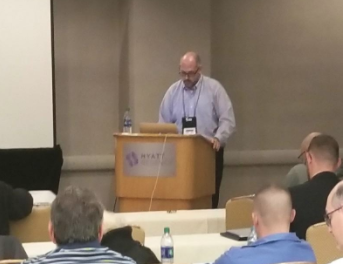
FactualVR Principal and VRARA CJC Co-chair Eduardo Neeter covering current and future applications of Virtual Reality for Crime Scene Investigation.

VRARA CJC Co-chair Rory Wells, Esq. presenting on legal obstacles for VR to overcome before acceptance by the courts.
Medical Education in 360 Video and Virtual Reality
By Brandon Birckhead MD, Co-Chair and Betsy Eble, Rafael Grossmann, Adriana Albritton, Participants of the VRARA Digital Health Committee

In the media, you may have heard “Running a Code” which is a protocol that is used when the patient's heart stops pumping. This procedure is taught in every medical school and is called Advanced Cardiac Life Support (ACLS). It is usually first taught in a simulation center with robotic patients and several team members. Each person has a different duty during the code including: performing CPR, obtaining vitals, managing airway, drawing up/giving medications, writing down the information of event, and one person to take lead in the situation. When the real thing happens these situations are intense and the room is packed with people.
How 360 degree video could be useful for Medical Education
Healthcare providers could replay their own simulated codes with a system that can help guide them to the correct course of action during the replay of the video. One could add arrows to point to areas that need attention first, i.e. the airway. The program could pause at critical moments to allow for input of options available to provider. A program could be built to test the student at the end of the replay using a “center of focus” heat map to find what steps they missed during the review. It may not be needed to have customized video for each healthcare staff member in training. A single recording may provide a significant benefit for provider training, however it would be interesting to see an experiment of the comparison.
One way to study this process is by placing the 360-degree camera where the head of the patient would be. Seeing things from the patient perspective can be quite humbling to see how your body language is perceived from their view point. Research has shown that a feeling of empathy can be invoked by a 360 video placed at the users point of view. Also it’s the one of the best positions for a three 360-degree video as the patient is usually in the middle of the room allow full use of 360 degree experience.
Another idea is to place of 2 or more of the inexpensive 360 video cameras would allow the student to change perspective during playback. This could be similar to the 360-video experience created by Intel (True VR) for MLB. Benefits would include the empathy gained from patient placement, a 3rd person view using an overhead camera to view all movement patterns and the placement of equipment staff during the Code and any additional placements that might benefit the student being trained. Adding in bio-feedback sensors to the simulations may help identify procedures, duties, situations of higher stress to the participants such as breaking bad news or assessing a dangerous situation. Integration of multiple scenarios or scenario branches integrated into a learning management system/single simulation would allow students to interact with the learning module. The students could be given a list of actions that each would start a new simulation.
Another interesting idea is the use of Eye Tracking technology. I've been working with VPS , a company that has a simple looking pair of glasses that track the focal point of view of the user. Integrating the "3d person view", the student would be able to see themselves in 360 camera. With this technology the analysis of where she was looking during the task, can have immense learning potential.
360 Video Success
One of the most successful startups in the VR industry, StriVR, uses 360 degree technology to train people to perform better at a task. They have had NFL teams, college teams, and major corporation as clients. Quarterbacks are able to go over plays many more times than just on the field. Now they are providing this technology to train Walmart employee.
Athletes become better by practicing. And being able to repeat movements and visualize situations without having to deal with a harsh environment or contact from an opposing team provides a competitive advantage. In the same manner, a person becomes more proficient and more able to master a skill by becoming more familiar with essential tools, viewing different perspectives, and playing diverse roles in a scenario. Practicing and role playing, also, diminish the shock and stress reaction that takes place when first responding to a crisis situation. Interactive experiences provided by 360 video and immersive VR can make learning much more comprehensive and deeply ingrained in your memory.
Interactive VR Experience
There is a company making an interactive VR experience for medical education, BioflightVR. The company has an emergency pediatric program that is similar to scenario stated above. It would be interesting to see the outcomes of both a 360 degree program and an interactive VR program. I imagine there there is more information gained by assessment and possibly more retention with the interactive VR program. However, a study could find them to be comparable. The advantage 360-video has over interactive VR is time needed to create the experience. If every hospital wanted to have specific simulations for each student it could not be done with the current methods of creating an interactive VR experience. However, 360 degree video equipment has advanced substantially and Medical Simulation Centers have several staff members that can handle video equipment.
There are several questions that could be examined in a research study to evaluate the use of this technology:
1) How does a 360-video feedback program compare to traditional video feedback for teaching medical students in regards to retention, preference, and assessment?
2) Does placement of 360 video affect the outcomes when using 360-degree video for feedback (ie from patient perspective vs center of room vs physician lead position)?
a. Secondary outcome: Is there an increase in empathy for patient with placement at patient perspective?
3) If medical students or residents take home 360-degree video for repeated playback over a set period of time does it have an impact on long term memory of protocol (Intervention during 2nd year medical school with assessment in 4th year)?
4) Are there improved outcomes (retention of knowledge, preference by student, and assessment by teacher) in using recorded simulations for each student vs a single simulated recording?
We are currently working with the other VRARA Digital Health Committee members to improve on this idea.
Virtual Reality and its Impact on the Field of Criminal Justice
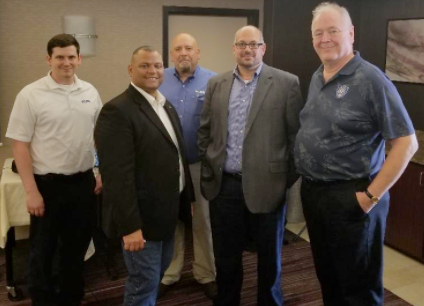
VRARA Criminal Justice Committee Seminar Pictured Left to Right: Eric Dustin of FARO, Rory Wells, Esq. of Ocean County Prosecutor’s Office, Ed Williams of FARO, Eduardo Neeter of FactualVR, Greg Schofield of Toronto Police Service
Jersey City, New Jersey – Multiple law enforcement agencies, academics, start-ups, non-profits and corporations from the United States and Canada met today in Jersey City for a first of its kind seminar and discussion on the impact of Virtual Reality and Augmented Reality on the Criminal Justice System.
The Virtual Reality/Augmented Reality Association’s (VRARA) Criminal Justice Committee held its first event today on current and future applications of virtual reality technology, where an individual or group of individuals are immersed in a 3D experience using headsets or glasses.
The meeting covered demonstrations of the latest technology, including laser scanners and VR applications from event co-sponsors FARO Technologies and FactualVR whose developing technology allows to accurately replicate and communicate the facts around crime scenes to aid in investigations, preservation and future testimony in court.
Co-Chairs of the committee, Assistant Prosecutor Rory Wells and Eduardo Neeter, Principal of FactualVR both addressed the attendees with valuable input. The topics ranged from training and investigations, to the use of VR at trial and the use of VR for rehabilitation/reentry after serving time in prison.
“It’s not a matter of “if” but “when” as the technology continues to develop and become mainstream, people will eventually demand that VR be used in every courtroom” stated Co-Chair Eduardo Neeter.
For information on the committee or future events, please email us at: info@thevrara.com.
Listen to our VR Arcades Location-Based Committee Webcast
The VR Arcade (Venue Location Entertainment Industry Committee) gave a live talk with Q&A on the topic, listen here. This live event was attended by executives from IMAX, Verizon, among others. This was a panel discussion on the impact of Virtual Reality on Location Based Entertainment. Topics of discussion touched on best practices, monetization models, content creation, roadblocks, licensing and emerging trends for VR entertainment venues. Participants included members of the VRARA Committee. Moderated by Chris Pfaff Tech Media.

Listen here
SURVEY: VR Stories & Audiences: VR Story Genres
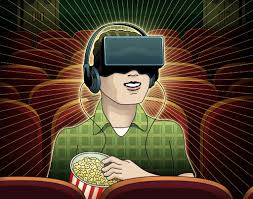
VRARA Stories & Audiences Industry Committee is conducting a survey, and we want you to vote. This questionnaire is for evaluating through the VRARA community the question "What are the VR story genres that are most engaging to VR users today"?
Whether you are a VR / AR content or technology creator or a user, we would like to know your feedback on the genres in the industry that are the biggest and most accessible today, and how you prefer to experience them.
Access the Survey here
VRARA Real Estate Industry Research & Survey
The Real Estate Committee is conducting an industry survey that will be compiled and published. The purpose of this survey is to:
#1 study & understand customer's expectations and decisions in the new real estate market, specifically, with regards to visual content, 3D content and virtual reality tools provided by real estate developers and sellers.
#2 study & understand real estate developers’ experiences, expectations and difficulties, specifically, with regards to 3D content and virtual reality implementations in marketing and sales.
- If you're a company, fill out this survey. We kindly ask you to fill out this form if your company develops and sells residential real estate (Survey available in English, French, Russian)
- If you're an individual, fill out this survey. We kindly ask you to fill out this form if you have ever bought new residential real estate (flat, apartment, house etc) for yourself, or you are considering a purchase in the next year. (Survey available in English, French, Russian)

The Keepers of VR (HuffPost Feature about Top 10 Virtual Reality Best Practices)
By Davar Ardalan, HuffPost Contributor

COURTESY OF WORLD OCEANS FESTIVAL
VR Pavilion at the 2017 World Ocean Festival on Governors Island in New York featuring Making Waves a film on aquaculture innovators in Tanzania. (L-R) Stephanie Kimber of DFATiXc, and Matt Scott, Davar Ardalan, and Ben Kreimer of SecondMuse.
When I first met Jeff Olm, he told me about Under the Canopy, a VR film that was shot using moving cameras and drones in the Amazon. It felt surreal to mount the VR headset and descend into the rainforest, in full stereo might I add. I asked to learn more about the production and Olm sent me a series of links. I especially loved going behind-the-scenes with a sloth in VR.
Jeff Olm is a VR/AR creative director and also co-chair of the VR/AR Association’s Stories and Audiences Committee. Together with several other industry thought leaders, we recently published the Top 10 Virtual Reality Best Practices in an effort to capture into one source the rapidly evolving knowledge about VR.
The radically new experiences that the medium provides today have been decades in the making. As part of this living document, we seek to present not only our experiences with the hardware and software, but also to dig into the specifics of development and content production. This work is especially timely given that analysts are projecting VR will transform into a multi-billion dollar industry in the next decade.
Jeanne Kelly is director of Product Design and Experience at A+E Networks, and an associate member of Tesla Lab’s VR/AR Initiative. At A+E, part of Kelly’s responsibility is to explore the potential of new technologies and to understand and present their value and impact to the business. Kelly is also co-chair of the VR/AR Stories and Audiences Committee. While storytelling is always A+E’s primary focus, they’re also exploring ideas in VR and AR games, marketing, and education experiences. The Network has invested in VOKE and live streamed in VR from the red carpet for the Golden Globe Award. Currently A+E has an investment in Littlstar, the premium 360 and VR content distribution platform.
Kelly says even though both VR and AR are currently in complementary and contradictory states of existence, she believes accessibility and distribution constraints are surmountable when the benefits outweigh these obstacles. “VR creates presence, allowing you to be somewhere you are not, doing something you are not doing – reacting to objects and events that are not real.”
Adaora Udoji produces and manages media at the intersection of emerging technologies. She’s an angel investor and also a contributing editor to our best practices document. “It’s magic time in immersive technology,” Udoji says. “Innovations and applications are sprouting like wildflowers and this white paper by the VR/AR Association will be fantastically useful. It’s a supercharged resource by working professionals in the space, aggregating information and lessons. The faster knowledge and information spread, the faster and more efficiently the industry will grow. No one needs to reinvent the wheel on basic questions and we hope to help prevent that and spur rapid and successful evolutions,” she adds.
On Storytelling and Building Narratives:
David Hamlin, executive producer of USA Today’s VRtually There explains that VR is different from traditional media in the way viewers engage with content and become immersed in an experience. But Hamlin points out a VR storyteller’s challenge remains the same as in all preceding platforms. “We still have to deliver on the promise of an engaging narrative, a story that offers and pays off a cathartic journey filled with obstacles, conflicts, drama, and resolution. To me, the social contract between viewers and filmmakers hasn’t changed. It’s just the tools at our disposal and the viewer’s visceral experience that’s being transformed,” Hamlin says.
Tash Tan of S1T2 feels that building narratives around characters needs to be considered within the greater view of interactive drama, the latest evolution of which can be found in virtual reality. “360-video and real-time VR applications may be distinctly different in creation but the understanding is that they both, to varied degrees, allow for the user to be a spectator and a player — you are the audience but also a character. This dual role is the key to building a successful narrative in VR; you should block, choreograph, and script to accentuate this multiple identity,” Tan adds.
USA Today’s Hamlin has learned there are critical questions to ask when deciding to produce a VR story: “What makes this opportunity uniquely VR? Is the location(s) and protagonist(s) going to effectively fill the entire space? Is the action inherently ‘spherical’? Is the world I’m documenting truly cinematic in this VR medium? Will I actually deliver on the promise of a valid and entertaining 360 experience?”
On Monetization and Driving up ROI:
Currently, one of the biggest drivers of VR growth arises from marketing budgets for products, series, and other media tent-pole events. These “VR” strategies manifest through marketing budgets because they result in novel products, and the majority of the time lead to earned media — a key metric in gauging the success of a marketing campaign. Luis A. Navia is co-founder and CEO of ODYSIA and co-chair of the VR/AR Stories and Audiences Committee. Navia says if we can begin to shift the industry’s perception from seeing VR as a marketing tool to embracing VR as a business unit within their businesses, we will see exponential growth as an industry at all levels, both micro and macro.
“For example, when a major corporation decides to invest in a VR business unit, it sets off a chain of events that generate economic value by driving technology forward, and it creates engaging content on innovative platforms for consumers. The industry has seen explosive growth in the form of record-breaking investments, creation of multiple types of headsets, and a burgeoning start-up ecosystem that continues to push forward the boundaries of VR technology, platforms, and content. Once we begin to see mass adoption across multiple industries,” Navia contends, “we’ll obviously start experiencing VR as a societal norm. This will help drive ROI up and subsequently fuel the industry to reach market-shaping size.”
On Social Impact and Capacity Building:
From the United Nations to the World Bank and the Australian Aid program, development agencies are among the first out of the gate to experiment with immersive VR/AR technologies. Their purpose has been to build empathy and educate local communities as they work to improve the challenging environments surrounding them. There is a commitment to understand how new communication technologies can be accessed and leveraged by individuals in developing nations to inspire positive change, and help create bridges between otherwise disconnected human experiences.
In October 2016 together with the Australian Department of Foreign Affairs and Trade’s innovationXchange and emerging media technologist Ben Kreimer, SecondMuse traveled to the Southeast Asian island nation of Timor-Leste and documented the work of food innovators in the cities of Dili and Baucau, using 360˚/VR storytelling. Our film, Eating With the Seasons, was soft launched in Canberra, Australia, on August 8, 2017.
While in Timor-Leste, Ben and I provided a Samsung Gear 360 camera and smartphone to local producers, and incorporated one of their scenes in a 360°/VR experience. In this way, we are working to illustrate and better understand how simple, accessible, and low-cost consumer hardware can be leveraged by people in a non-western context by focusing on and encouraging the capacity building aspects of the medium. We believe that storytellers everywhere should have access to immersive storytelling tools, and that they don’t need cinema-grade cameras and teams of people to produce compelling, impactful content.
Another VR/AR/AI project for social impact is LAUNCH Legends — using emerging technology to encourage children to eat more nutritious food. In partnership with the Australian Department of Foreign Affairs and Trade’s innovationXchange, LAUNCH Legends explores the potential for interactive narratives to help restore pride in traditional eating, and promote healthy food choices in the Pacific region where a worsening double disease burden of under- and overnutrition is devastating local communities.
Why We Produced this Best Practices Doc:
Juanisa McCoy has worked on UI/UX concepts and wi-fi performance for VR in-flight travel entertainment/e-commerce experiences. She will be expanding her VR/AR exploration into the performing arts, education, consumer goods, and gaming. McCoy is also a member of the VR/AR Stories and Audiences Committee. Her focus is to apply user experience philosophies to VR/AR in order to provide the best and safest engagement for audiences. She champions the awareness for empathy and accessibility in tech, design, and VR/AR.
“The latest development in virtual and augmented reality presents us with a unique level of challenges and opportunities to explore,” says McCoy. “With this new ecosystem, we need to establish optimal technical and experience standards that will offer continuous audience engagement, industry skill development, and socially impactful stories. These practices will allow industry leaders to successfully influence the audience’s journey and how they relate to our stories and the world.”
Download the Top 10 VR Best Practices to:
- Identify the differences and similarities between virtual and augmented reality
- Learn how virtual and augmented reality enhance user interaction and storytelling
- Learn about development agencies producing VR for social impact
- Gain technical insights on approaches for cameras, lighting, audio, design, and editing
- Consider how and when to advocate virtual and augmented reality for better audience engagement
- Focus on stories with spatial and audio perspectives and depth
As members of the VR/AR Stories and Audiences Committee, we see this as an opportunity for practitioners and stakeholders to share their experience and knowledge. As a committee we intend to update this material every six months. We encourage industry feedback to keep this a living document.
At SecondMuse we build purpose-driven networks using innovation to tackle the complex challenges of our time. We are doing this work in communities, cities, and countries around the world. We help organizations solve systems-level grand challenges, governments more effectively utilize their resources and connect with citizens, and corporations leverage their strengths and break silos to solve complex problems. We have implemented projects in six continents and worked with organizations such as NASA, Intel, Nike, IKEA, USAID, the World Bank, the US Department of State, the Australian Department of Foreign Affairs and Trade, and the City of Melbourne. We are a certified B Corp and have locations in Portland, San Francisco, New York City, Washington D.C., Melbourne, and Copenhagen.
The SecondMuse Storytelling Unit is a dedicated global team focused on expanding engagement and amplification for social, economic, and environmental impact. We share stories, and we empower our partners to tell them. Our films have won awards including a 2017 Telly Award; and our global campaigns have reached over 95 million people on Twitter, Instagram, and Facebook. SecondMuse is also co-chair of the VR/AR Global Association and together with USA Today, A&E Network, and other industry thought leaders has produced the Best Practices in Virtual Reality with an emphasis on VR for social impact.
Original article here

VR/AR Top 10 VR Best Practices (White Paper)
To get your copy of this report enter your email here:
This report was created by the VRARA VR Stories & Audiences Committee. This Committee is creating best practices, guidelines, and call to actions (e.g., recommendations for standards) for VR experiences in order to grow the audience (user base) for VR. The Committee is a group of technologists, journalists, business leaders, entrepreneurs, visual artists, immersive sound technicians, and storytellers.
This report is an effort to capture into one source the rapidly evolving knowledge about VR. The Committee seeks to present the hardware, the software and to dig into the specifics of the development and content production. The Committee sees this as an opportunity for practitioners and stakeholders to add their experience and knowledge. The Committee intends to update this material every six months.
“Monetizing VR is a critical question for which there is little data in understanding what will be primary drivers of revenue. Currently, tech and manufacturing companies are spending tens of millions of dollars on developing hardware and software. On the content side, marketing budgets have been an enormous source of funding for content development and production.
The industry has seen explosive growth in record breaking investments in the billions, the creation of multiple types of headsets, and a burgeoning start-up ecosystem that continues to push the boundaries of VR technology, platforms, and content. Once the mass adoption begins, that we expect, across multiple industries, we believe we will start experiencing VR as a societal norm. This will drive ROI up and subsequently fuel the industry to reach market shaping size.”
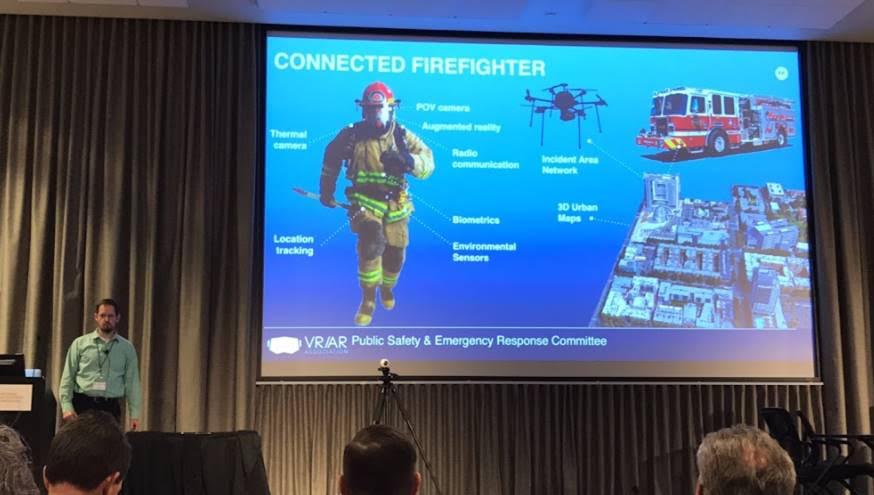
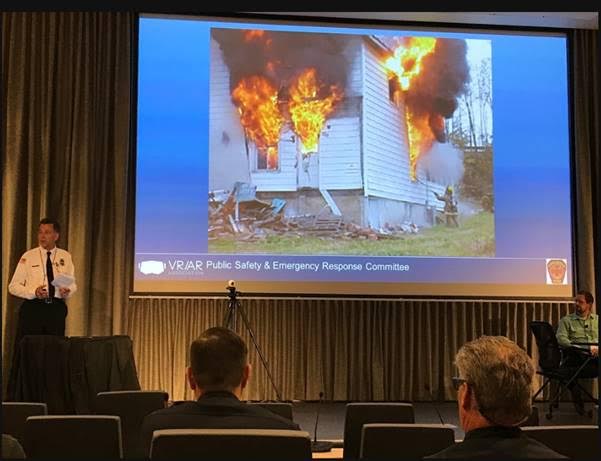
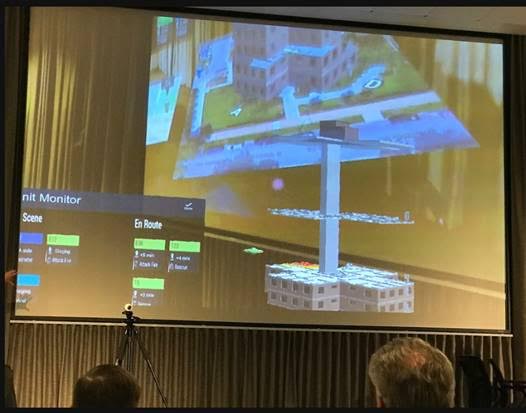
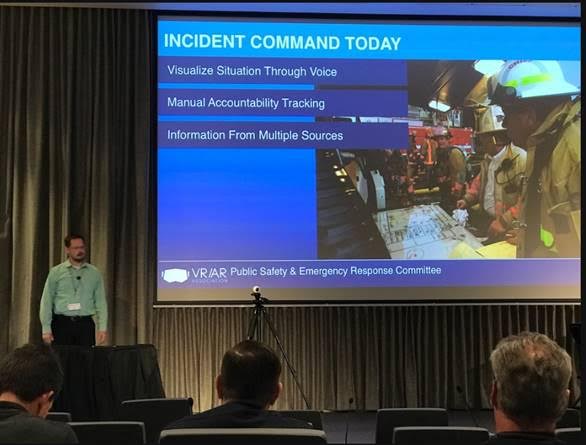
Updated: VRARA Public Safety & Emergency Response Committee Presented at Stanford
Seven participants of the VRARA Public Safety & Emergency Response Committee presented to several hundred industry professionals at the Stanford National Accelerator Laboratory on June 2nd. The focus was a 90 minute segment provided by Committee members and included content from various disciplines, all with the goal of VR/AR enhanced Next-Gen community risk reduction platforms for citizens and first responders. Co-Chair Kirk Mckinzie has been on federal out of state travel to receive a NIST Virtual Public Safety Test Environment Challenge grant award.
See the presentation slides below:
Google Signals Moves in VR Advertising
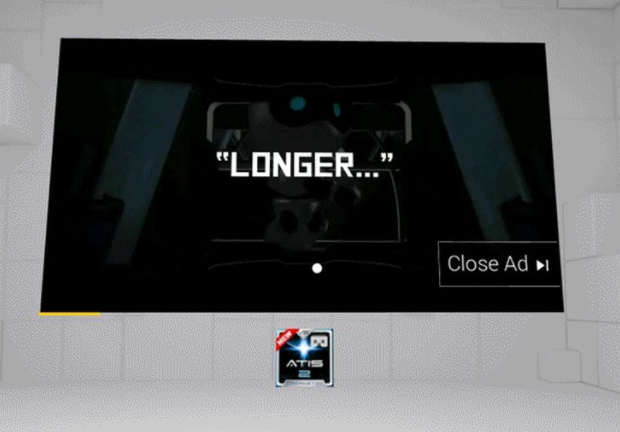
The Mad Men of VR are coming. Google just released ‘Advr,’ a virtual cube that will show ads by a user tap or gaze. The idea is much like a pop-up but for VR platforms. The SDK is available on an invite only basis but it gives a glimpse of the new normal for VR Advertising. However, human behavior is what will truly drive change in Advertising. We already know that the user or in this case, audience comes first. So the ad must be easy to engage with. We also know if the user journey or touchpoints can provide insight into user/audience ‘intent’ then we can meet the want or need better. As a result, the ad must serve a purpose within context. And finally we know that timing is everything. If a person is searching for a specific product or service and has only a limited amount of time then an ad of convenience would be perfect. Smart and creative ads will connect with users/audience in these moments in VR just like they do in traditional platforms. But just like on traditional platforms, nobody necessarily likes any old pop-up.
Join Google and other VRARA members including ADVR, AdVir, burgeon(digital), Kitestringviz, Llamazoo, Orange, Retinad, Yahoo, You Are Here, YuMe in our Advertising Committee to work on best practices, guidelines, and standards for VR in advertising.

VRARA Education Committee & WebGuyz VR Education Platform
By Ross Cohen, WebGuyz.nyc, Co-Chair VRARA Education Committee

WebGuyz is an industry agnostic startup on a mission to innovate the way students learn in the education system. WebGuyz's revolutionary SaaS platforms makes up the structure of educational programs, unifying all students and teachers, online and offline. WebGuyz created an entire modern and idealistic approach for education using VR & AR technology from Microsoft HoloLens and Oculus Rift. The solution provides students with a higher caliber of technology and puts them in a VR setting that enables each student with a visual, hands on, educational portal; The environment is controlled by the school’s administrator, and is fully integrated with the school’s curriculum.
Currently the program is running in several schools across the five boroughs of NYC with prodigious success and most importantly impeccable results. Student involved in the futuristic curriculums reported having new born set of skills and eagerness to scale and sharpen. WebGuyz program involves high demand curriculums such as, 3D design, backend managing skills, front-end management, developing applications for IoT devices as well as launching them, and cyber security awareness.
Together, the VR/AR Association (via the VRARA Education Committee) and WebGuyz will expand to more schools, revolutionizing and strengthening the learning process of the education system. The collaboration of The VR/AR Association will bolster the variety of devices and custom programming utilized within the curriculums, additionally improve the program as a whole from the input of industry leading experts within the association. The future for all looks virtually bright, teachers of the school systems will receive more classroom engagement, student attention span increases, and be prepared for the competitive world awaiting them, and the school district reputations rise from happy parents, students, and teachers.
WebGuyz has worked with Microsoft, CISCO, Google Education, New York State Career & Technical Education Organization, NYC Department of Education, Jump Into the Light VR Lab, New York Institute of Technology, and Metaverse.
The modern day teenager has a lower attention span than a goldfish, teenager coming in at 8 seconds and goldfish coming in at 9 seconds. The average attention human span back in 2000 was a whopping 12 seconds, and research proves the impact of this decrease in classrooms all around the country. The students are not to blame, the surrounding environment is the issue, giant social media platforms with massive amounts of content easily accessible with the touch of a finger, and evolving technology that trends for a day before the new best thing is introduced.
Instead of stripping students from their technology (i.e., mobile phones), and trying to control their personal environment in the classroom, WebGuyz strategically innovated an entire modern and idealistic approach using VR & AR technology from Microsoft HoloLens and Oculus Rift. The solution was to provide students with a higher caliber of technology, and to put them in a controlled VR environment, contrary to controlling their personal environments. A VR setting, entering each student into a visual, hands on, educational portal, completely controlled environment by the school’s (or university’s) administration, and fully integrating the school’s curriculums.
Not only do the students enjoy their technology ‘fix’, their attention span will increase as the WebGuyz program embeds into the education system. That’s just the immediate effects, the SaaS learning platforms is the other arm of this operation, working parallel to the controlled virtual reality environment. The learning platform is designed not only to help increase attention span, it increases engagement between teacher and student (a teacher’s dream come true), encourages teamwork (getting them ready for the real world), teaches responsibility and sharpens essential skills of tomorrow and beyond. Providing each student with a head start in a highly competitive and busy career environment.
VRARA Criminal Justice Committee Visits a School in Queens, NY to talk VR

Assistant Ocean County Prosecutor Rory Wells, Co-Chair of the VR/AR Association’s Criminal Justice Committee, had the opportunity to speak with students at the Irwin Altman Middle School 172 in Floral Park, NY on Thursday June 15, 2017.
School Media Specialist and Librarian Margaret Borger invited Rory to speak with students researching new technology. The students were looking at how developing technology will continue to affect all areas of our life with one group choosing law and criminal justice as a focus.
Rory spoke on current topics in criminal justice and potential criminal applications for new technology such as virtual reality, augmented reality and the use of 360-degree cameras for investigations.
The student interaction was high with lots of questions and it was a great visit overall. “We are at the point where advanced technology is organic to this coming generation, what they are starting with today, we only dreamed about. The next three to five years will move at lightning speed”, says Assistant Prosecutor Rory Wells (Ocean County, NJ).
Key Challenges to Adoption of VR/AR for Healthcare
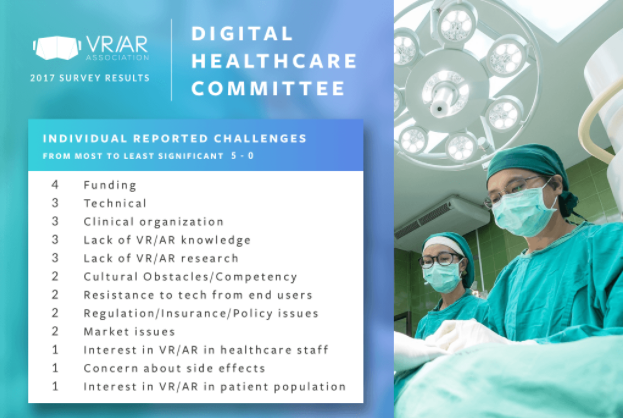
In April, the VRARA Digital Health Committee conducted an industry survey. Our goal was to understand the current state of the VR/AR healthcare market and identify challenges to adopting VR/AR healthcare solutions.
In one question, we compiled a list of common hurdles to innovation and adoption of VR/AR healthcare solutions and asked respondents to rank them based on how significant each was to them, on a scale of 0 - 5 (five being “very significant”, zero being “not at all significant.”)
Our sample was small but we think reasonable conclusions can be drawn. Below are the median rankings for each of 12 challenges, in order of significance. (Note: while this first round was illuminating, we’re planning subsequent surveys to do a deeper dive into some of these key issues in the near future.)
Monetary/Funding Issues
(Significant Challenge: 4 out of 5)
Many of the respondents are startups developing AR/VR content, eyewear, or end-to-end solutions. So it’s not surprising that money and funding for product development, research and other marketing costs are at the top of the list. VR/AR for healthcare is still in its infancy, in search of technology innovators and visionaries willing to demo, refine and evangelize widely marketable applications. Given the obvious benefits of various emerging VR/AR technologies including pain diminution, surgical planning and practice, 3D radiological imaging and medical education, we’re confident that it won’t be long before customers and investors start to invest in best-in-class solutions.
Committee members have noticed that hospitals are increasing budgets for clinical simulation centers to allow them to purchase VR/AR equipment. Third party companies that work with medical organizations are starting to budget for VR/AR solutions as well.
Technical limitations; Organizational Issues; Lack of Knowledge / Research (Moderately Significant Challenges: 3 out of 5)
Technical limitations
This is a broad category and responses reflect a multitude of use cases. For some, the size of VR systems limits their use in certain clinical settings. For others, mobile VR platforms can only provide so much immersion with a pocket size computer. Computer specifications and resolution of available devices can also be limiting factors for some medical centers. VRARA Digital Health committee members are working on near-term solutions to these challenges. This is another area that we feel confident will improve over time as Moore’s law and market competition lead to improvements in both size and power.
Clinical organizational issues
You’ve probably heard that healthcare is a hard industry to change, and not lacking in bureaucracy. Electronic medical records, for example, have been in use at major hospitals for almost two decades, yet there are many places that still use paper charts.
Committee members and respondents identified several aspects of modern clinical organizations that can impede adoption of VR/AR technologies in healthcare, such as: availability of and access to infrastructure (i.e. bluetooth connectivity); platform friction (compatibility of VR/AR software with other healthcare software, EMR issues, and privacy issues); and procurement procedures (vendor relations, lengthy and complex public tender processes, and arduous hospital board decision making processes.)
AR solutions are likely to be adopted more quickly due to decreased platform friction of widely-adopted smartphone technologies. But it’s our guess that clinical organizational issues are likely to be some of the hardest (and slowest) issues to resolve.
Lack of knowledge
About VR/AR and its uses for your end users/customers
This is an area of particular interest for the VRARA committee. Many of our contacts and colleagues have heard of VR/AR being used for gaming and entertainment, but are unaware of the medical use cases and the research behind them. Disseminating this knowledge is an important goal of the committee. We know many people say they “get it” as soon as they demo VR/AR for the first time because it’s very intuitive, but most patients and providers have never had a live VR/AR experience. Understanding immersion is best done through one’s own eyes.
Lack of enough research studies around VR/AR in healthcare
A quick search of research studies shows over 3536 publications with “virtual reality” or “augmented reality” or “mixed reality” in the title since 1991. However, depending on the clinical use case there may only be a handful of useful studies. AR/MR tech is so new that only a small fraction of published research (574) examines its use in healthcare. Several areas still need randomized control trials to show evidence for mainstream adoption of AR/VR/MR by healthcare providers.
Regulation, Resistance, & Market Forces
Somewhat significant: 2 out of 5
Regulation/Insurance/Policy issues
Regulatory, insurance and policy issues always pose major hurdles for those working in healthcare. We’re speculating that they’re not more significant for responders right now because many times, regulation comes after wide-scale adoption. It’s on everyone’s minds, but we may not see a significant amount of red tape until VR/AR is more widely used in healthcare.
Resistance to new technology with end user/customers
The baby boomers still make up the largest percent of population by generation. Thus, they make up a large portion of both healthcare providers and patients. Nevertheless, reluctance to try new tech doesn’t seem to be a major concern for most respondents. There could be several reasons why this is true: for one thing, the majority of companies that responded are not making products or content for a specific demographic so age isn’t relevant. Second, physicians are typically early adopters of both professional and consumer tech, and interest in this new technology is high.
Market Issues and Cultural Obstacles (cultural competency)
Several respondents cited geographic and cultural obstacles as they try to market products in multiple countries, and a few mentioned resistance from Pharma to tech-based therapeutics. While it wasn’t called out as a major challenge we think it’s still important to keep culture in mind, especially given the international make-up of both the medical and VR/AR innovation communities.
Lack of Interest, Concern About Side Effects
Minimal Challenge: 1 out of 5
Lack of interest in VR/AR amongst patients and healthcare staff is of little concern to providers for now. As Facebook, Google, Oculus, Samsung and Sony continue to aggressively market VR/AR experiences for consumers, more people will be exposed to it and interest will grow. That said, patient demand and pull-through will eventually have a powerful influence on administrative and clinical decision-makers.
Early VR studies (in the 2000’s) caused a minority of patients to report feeling nauseous when using immersive VR. Over time, improved graphics, frame rates and game design have fixed some of the problems that caused that particular side effect and it seems to be less of a problem today. Motion sickness may continue to be a problem for a shrinking percent of populations studied, but is not a significant issue for this group of respondents.

VR/AR Association Aims to Grow VR Licensing
By Mark Caplan, VRARA Content Licensing Committee Co-Chair (Original article here)
Mark Caplan of BD Labs, who also co-chairs a committee for the association, will moderate a panel discussion on digital entertainment at Licensing Expo.
As VR and AR technologies continue to offer licensors another avenue to build their brands and offer consumers a new way to experience the world, the VRAR Association has revealed that is well positioned to help the licensing community accelerate its growth within the sector.
The VRAR Association is an international organization that is designed to foster collaboration between companies and people in the VR and AR ecosystem. For the licensing community, the association will aim to assist content owners and other members of the sector in accelerating their growth, knowledge and connections in the VR, AR and mixed reality space.
The organization has also developed a number of committees to help in its endeavors, including one on content that is co-chaired by Mark Caplan of BD Labs.
Additionally, Caplan will moderate the panel discussion, “The Changing Landscape of Digital Entertainment,” at Licensing Expo on May 24 at 2:15 p.m. He will be joined by panelists Travis Rutherford of Evolution, John Sutyak of DDM, Javon Franklin of 71 Studios, Clint Waasted of Zynga and Arthur Madrid of PixOwl.
Additional details regarding the panel discussion can be found here.
Check out the May issue of License Global to learn more about recent trends in the VR sector.
VRARA Digital Health Committee Industry Survey Results
The VRARA Digital Health Committee conducted an initial industry survey for companies making VR/AR products in healthcare among healthcare providers. The goal was to understand current state of VR/AR healthcare market and identify challenges to adopting VR/AR healthcare solutions. The results are shown below. For a detailed slide presentation of the survey and Committee's work, including action steps, contact us.
“Those in the VR/AR community are looking forward to the day that VR/AR becomes mainstream. Currently the technology is starting to be used in the Enterprise settings, but the healthcare industry has many of its own unique challenges. Achieving mainstream adoption in healthcare will require overcoming several hurdles. Each needs to be understood in detail if we hope to increase the rate of progress. Thus, The VRARA Digital Health Committee is dedicated to understanding the challenges around bringing VRAR to healthcare so that the solutions can be seen. ”

Thank you to all who answered the survey and to the Committee participants, and special thanks to Brandon Birckhead of ImmergenceTech, George of Mativision, Paula of Amalgamated Vision, Dom of Corporation Pop, Ali of Cinglevue, Henry of Corvecto and Amy of endeavorVR for making this Publication possible. Graphics made by Ada Chiu.
Building Awareness in Early Adopters & Taking Next Steps

Like the early days in mobile, success and growth are linked inextricably to building awareness. Currently the market is entering its second year of market knowledge and adoption; but it is really the first year of rolling up the sleeves, for knocking on doors. Both content creators and technology enablers must appeal to the early adopters for both business and word of mouth cache. Being the first still has its benefits. Companies both large and small that buy and use VR/AR content are seen as leaders and will be seen as the one to compete. For the industry as a whole, this free advertising is crucial in exponential organic growth.
So what does this look like in the field? For me, this means I explain the value and benefits the industry provides to companies interested in the VRARA. For content creators and VR/AR tech providers this means leveraging your network and explaining how you can work with the small business owner or increase monetization to large brands. In short, good old fashioned business development. Opportunity is out there in so many ways. Simply, I find just keep talking about what you do and how someone can get started to have it too. It works wonders.
The next step is taking action. That is the case with the VRARA Industry Committees . Representatives from companies are collaborating on similar needs and challenges, and working together to set best practices and guidelines for different verticals. Come join us, and you won't feel alone in this VR AR journey that we are all pursuing.

VR/AR Association Fintech Industry Committee

VR/AR ASSOCIATION WELCOMES DEVEXPERTS TO INDUSTRY COMMITTEE
Another move toward infusing finances and growth to the mixed realities industries was marked last week with the appointment of Devexperts, developers of financial markets and providers of cloud-based financial data infrastructures. In conjunction with this new alignment of forces, Devexperts has also set in motion an initiative to found the VRARA FinTech Committee. This may result in a significant growth boom in the industry, which is certainly their hope. Kris Kolo, Global Executive Director of the VR/AR Association, explains, “Devexperts has been an established leader in FinTech solutions and services for the Capital Markets industry, and once again challenging the market with this new technology for Virtual Reality and Augmented Reality financial analytical applications. We are excited Devexperts have joined the VR/AR Association and are Co-Chairing our FinTech Industry Committee.”

Devexperts Becomes a Co-Chairing Member of the Global VR/AR Association Fintech Industry Committee
DEVEXPERTS, developers of the financial markets' most successful professional retail and institutional trading platforms and providers of one of the largest cloud-based financial data infrastructures, is pleased to announce that they have become the newest member of the VR/AR Association, the global industry association for Virtual Reality, Augmented Reality, and Mixed Reality, connecting leading solution providers with brands and customers.
Both the VR/AR Association and Devexperts are dedicated to fostering growth in the virtual reality and augmented reality industries. As a member, Devexperts will participate in the association's initiatives to facilitate VR/AR market growth in a joint effort with other solution providers. In addition, Devexperts has put forward an initiative to found The VRARA FinTech Committee.
FINTECH COMMITTEE MISSION:
To accelerate widespread adoption of VR/AR technology by traditional financial companies (banks, brokers, exchanges), technological FinTech firms and startups around the world in order to improve the customer experience, deliver analytical power, innovative visualizations, gamification and new dimensions of interactivity to user interfaces, and introduce innovative ideas of Mixed Reality collaboration.
One of the main goals of The VRARA FinTech Committee is to analyze the current challenges of industry players and propose innovative and relevant solutions that will help boost the value of VR/AR in the FinTech vertical. The committee will also conduct research with end users for a better understanding of how visualization of large amount of information and the immersion in it influences the quality of financial and analytical decision-making.
"Devexperts has been an established leader in FinTech solutions and services for the Capital Markets industry, and once again challenging the market with this new technology for Virtual Reality and Augmented Reality financial analytical applications. We are excited Devexperts have joined the VR/AR Association and are Co-Chairing our FinTech Industry Committee," says Kris Kolo, Global Executive Director of the VR/AR Association.
"We are excited to become a Co-Chairing FinTech committee member in the VR/AR Association and help to make financial data analytics and market data visualization intuitive and reliable in the Virtual and Augmented Reality space," says Dmitry Parilov, Managing Director, dxFeed Data Solutions and Products, Devexperts. "We believe that VR is going to break into our daily life soon and together with The VRARA we see our main role in promoting and supporting the philosophy, the members and developers to make it available to everybody."
About Devexperts:
www.devexperts.com
Headquartered in Munich, Germany, Devexperts, was founded in 2002 and specializes in the development of highly complex software solutions and services for the global Capital Markets industry. Our clients are retail and institutional brokerage houses, exchanges and buy-side firms. The high performance, scalability and integration capabilities of our products and services, along with 24x7x365 monitoring and support, result in some of the global financial industry's most recognized and reliable technology applications. Millions of people trade daily using Devexperts technology.
Media Contact:
Kris Kolo
VR/AR Association
650-690-5361
info@thevrara.com
Dmitry Parilov
Managing Director, dxFeed Solutions and Products, Devexperts
USA: +1-201-3714130
Germany: +49-89-99952024
dparilov@devexperts.com
Related Links

Healthcare Solutions in VR AR MR
People are constantly asking how to move forward or more to the point, what’s beyond the hype in the VR industry? So let me say that what is clearly gaining traction in the market is improved Health Solutions. People want more, faster, and less evasive diagnostic, treatment and technology options.
The VRARA Digital Health Committee is proof. Since the inception of the committee, both companies and healthcare professionals wanted in. The goal is to develop and share best practices as the industry matures.
Everyone from Medical Doctors to private companies are participating to build tangible tools based on real use cases. The entire process of the patient journey; not to mention education both for patients and medical personnel alike is being parsed and planned.
As an example of the possibilities on this topic, we need look no further than Cambridge University; who is now working on a program to render 3D VR treatment for cancer.
“We want to create an interactive, faithful, 3D map of tumors that can be studied in virtual reality that scientists can ‘walk into’ and look at it in great detail,” said lead researcher Greg Hannon in a Cambridge news post.
A 3D model would be ideal for researches to study and analyze with in-depth precision; showing the minutia of the cancer which has never done before.
“I think this is the very cutting edge of how people will in the future understand not only cancer but organismal development,” said Hannon in a video from the university.
This and more medical research utilizing VR/AR & MR is now happening and hopefully setting the new standard in excellence of care.